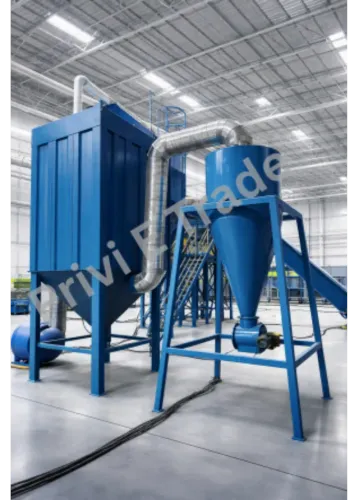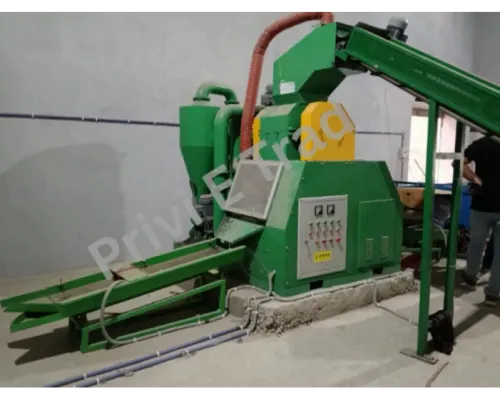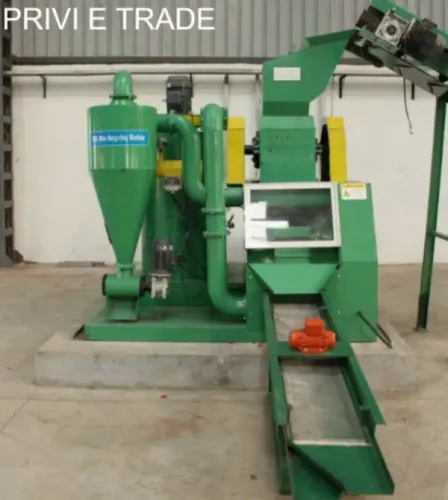


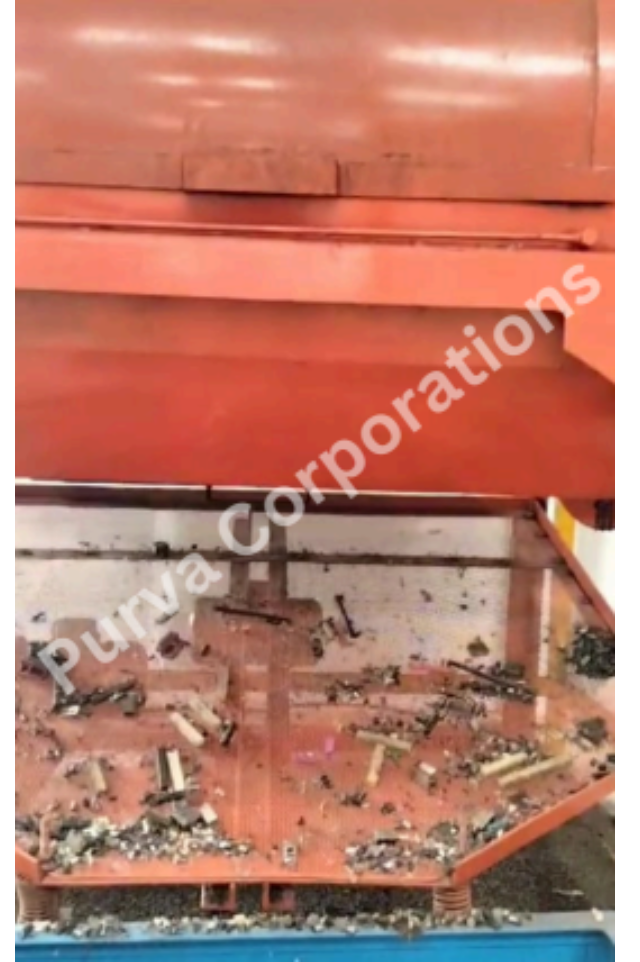
Electronic waste contains far more than discarded plastic and metal. Inside every computer, television, mobile phone, and industrial control system are electronic components that can often be recovered, reused, or processed separately. Before circuit boards move to the next stage of recycling, these components must be removed safely and efficiently. That is where a Component Removing Machine plays an important role.
For recycling businesses, using specialized equipment instead of manual methods improves productivity, reduces damage to valuable materials, and creates a safer working environment. As India's e-waste recycling industry expands, component removal has become a key step in modern recycling operations.
What Is a Component Removing Machine?
A component removing machine is designed to separate electronic components from printed circuit boards (PCBs) using controlled heating or automated removal techniques. Instead of manually desoldering each part, the machine performs the process quickly and consistently.
Commonly removed components include:
- Integrated circuits (ICs)
- Capacitors
- Resistors
- Connectors
- Transistors
- Diodes
- Relays
- Transformers
Some reusable components may undergo testing before being refurbished or resold, while others proceed to material recovery.
Why Is Component Removal Important?
Skipping this stage can reduce recovery efficiency and increase processing costs. Removing components before shredding offers several operational advantages.
Better Material Recovery
Separating components first helps recover reusable parts and improves the purity of metals extracted during later recycling stages.
Reduced Equipment Wear
Large electronic components can place additional stress on shredders and crushers. Removing them beforehand helps extend equipment life.
Improved Worker Safety
Automated removal minimizes direct handling of heated circuit boards and sharp electronic parts, lowering workplace risks.
Higher Recycling Efficiency
Processing sorted materials separately allows downstream recycling machines to perform more effectively.
How Does the Machine Work?
Although machine designs vary, the general process follows a similar sequence.
Step 1: PCB Loading
Operators place circuit boards into the machine using designated trays or conveyor systems.
Step 2: Controlled Heating
The equipment applies uniform heat to soften solder joints without damaging reusable components.
Step 3: Component Separation
Once the solder reaches the required temperature, components are detached using vibration, mechanical movement, or automated lifting systems.
Step 4: Collection and Sorting
Separated components and circuit boards are collected individually for reuse, refurbishment, or further recycling.
This automated process ensures consistent results while reducing manual labour.
Industries That Benefit from Component Removing Machines
The equipment is valuable across several sectors, including:
- Electronics recycling companies
- E-waste processing facilities
- Government-approved recycling centres
- Scrap processing businesses
- Electronics refurbishment units
- Industrial recycling plants
- Educational and research institutions working with electronic waste
Facilities handling large volumes of discarded electronics benefit the most from automated component removal.
Common Questions About Component Removing Machines
Can reusable components be recovered safely?
Yes. When operated correctly, these machines remove many components without causing significant damage, making inspection and refurbishment possible.
Are they suitable for all PCB types?
Most industrial machines are compatible with a wide variety of printed circuit boards, though processing settings may differ depending on board thickness and component density.
Does automation reduce labour requirements?
Automation significantly reduces repetitive manual work while improving consistency. Skilled operators are still needed for inspection, quality control, and equipment management.
Is component removal necessary for every recycling plant?
While very small facilities may rely on manual methods, medium and large-scale recycling plants generally benefit from automated component removal due to improved productivity and better material recovery.
Best Practices for Efficient Component Removal
Businesses can improve performance by following these practices:
- Sort electronic waste before processing.
- Remove batteries and hazardous items separately.
- Maintain consistent machine calibration.
- Schedule preventive maintenance.
- Train operators on safe handling procedures.
- Integrate the machine with downstream PCB recycling equipment.
- Monitor recovery rates to improve operational efficiency.
These practices help reduce downtime and improve the overall recycling process.
Growing Demand for Advanced Recycling Equipment
India's emphasis on sustainable waste management and resource recovery is driving investment in modern recycling technologies. Industrial hubs such as Ghaziabad are seeing increased interest from entrepreneurs, waste management companies, and electronics recyclers looking to establish organized e-waste processing facilities.
As recycling volumes continue to rise, automated component removal is becoming an essential part of efficient plant operations.
Key Takeaways
- Component removing machines improve both material recovery and workplace safety.
- Automated removal reduces manual effort and increases processing consistency.
- Early component separation protects downstream recycling equipment.
- Proper integration with PCB recycling systems enhances overall plant efficiency.
- Preventive maintenance and trained operators contribute to long-term performance.
Manufacturers such as Privi develop component removing machines that can be integrated into complete e-waste recycling lines. Selecting equipment based on processing capacity, automation level, and technical support helps recycling businesses build reliable and future-ready operations while supporting India's growing commitment to responsible electronic waste management.