A PCB recovery line does not turn mixed electronic scrap directly into saleable gold or silver. It first removes hazards, liberates and concentrates valuable fractions, then uses controlled chemical or thermal treatment, filtration, refining, testing and residue management to convert those fractions into measured products.
Key takeaways
- Quarantine, weigh and identify scrap before feeding it into recovery equipment.
- Use mechanical separation to build a consistent, metal-bearing feed.
- Match gold, silver, copper, palladium and platinum routes to feed chemistry.
- Compare plants by feed limits, recovery outputs, testing and residue handling.
Receiving, Inspecting and Preparing Electronic Scrap
Before a shredder runs, electronic scrap is quarantined, weighed and identified by source and composition. The precious metal recovery steps e waste enters begin with removing hazards and preventing an unknown feed from damaging equipment or distorting the final assay.
- Inspect incoming loads for batteries, mercury switches, toner cartridges, large capacitors, pressurised parts and visible liquids. Isolate suspect items instead of sending them to size reduction.
- Manually depollute and dismantle the material. Remove batteries, cables, housings, heat sinks and other bulky parts; separate reusable components from PCBs and metal-bearing assemblies.
- Record the load’s mass, supplier, board type and visible mix of ferrous steel, aluminium, copper, plastics and glass fibre. Photograph unusual or contaminated batches.
- Take a representative sample only after coarse pieces are reduced, mixed and divided with a proper sampling method. Precious metals in connectors, plated contacts, bond wires and selected components can make a casual handful look far richer than the bulk feed.
- Store prepared fractions in labelled, covered containers. Keep dust, liquids, batteries and removed hazardous parts in separate controlled streams.
This preparation reduces fire, toxic-emission and wastewater risks while protecting the recovery circuit from plastics, steel and disruptive components. The plant then feeds defined PCB or component-rich fractions to mechanical classification; copper-rich material, dust and solid rejects remain traceable rather than disappearing into one mixed pile.
How Mechanical Separation Builds the Feed for Recovery
A PCB line does not send mixed shred directly to leaching or smelting. It first turns irregular boards, cables, housings and components into controlled particle sizes, then removes low-value material and concentrates metal-bearing fractions.
That physical preparation determines whether the precious metal recovery system process for electronic scrap receives a consistent feed or a contaminated mixture.
1. Remove batteries, mercury-containing parts, toner cartridges, large capacitors and other hazardous items before size reduction. Shredding them can cause fires, toxic emissions, or contaminated dust and wastewater.
2. Shred or granulate the depolluted feed in stages. A coarse cut opens boards and separates attached parts; a finer cut liberates copper, aluminium, ferrous steel, plastics, glass fibre, solder and component-rich particles. Excessive grinding creates dust and fines that are difficult to capture and assay.
3. Screen the output by particle size. Oversize material returns for another pass, while correctly sized particles move to separation equipment. This prevents large copper pieces from travelling with fine, gold-bearing material.
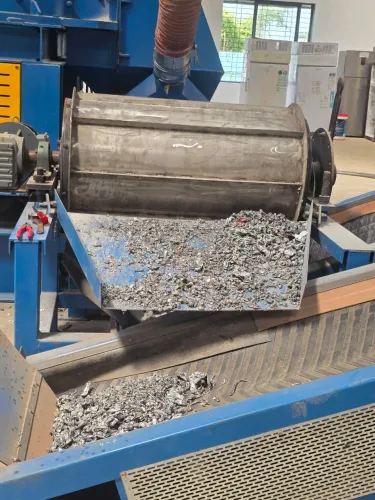
4. Use magnetic separation to remove ferrous steel, then eddy-current separation to eject non-ferrous metals such as aluminium. Air classification lifts light plastics and fibre, while density separation distinguishes heavier metal particles from lighter residues.
5. Sensor or electrostatic sorting can refine selected streams, especially where plated contacts, connectors or component-rich particles need further concentration. The resulting copper-rich, plastic-rich, ferrous, dust and precious-metal-bearing fractions must each have a defined outlet.
The plant should homogenise a representative fraction before assay; precious metals cluster in connectors, bond wires and plated contacts, so an unblended bulk sample can misstate recovery potential. Base-metal fractions may enter separate copper recovery, while concentrated fines proceed to chemical or thermal treatment.
The Gold, Silver, Copper, Palladium and Platinum Recovery Routes
After concentration, route each metal according to its chemistry, not its assay value alone. PCB composition varies by board type, so representative sampling and a complete mass balance must precede reagent selection. Copper and base metals are often removed first, creating copper-rich liquor and precious-metal-bearing residue as separate streams.
- Gold — In a gold recovery system process from PCBs, leach gold after base-metal removal, then precipitate or chemically reduce it from the clarified liquor. The resulting gold-bearing powder requires washing, drying and refining; smelting can replace this route when a copper-smelter feed is suitable.
- Silver — In a silver copper recovery plant process, chloride chemistry can convert dissolved silver into solid silver chloride, or AgCl. Recover that residue by reduction, cementation or melting; treating silver like gold sends it into the wrong stream.
- Copper — Recover copper from clarified pregnant liquor by cementation or electrowinning. In a thermal route, copper becomes blister or anode copper, while precious metals concentrate in anode slime for later refining.
- Palladium — Remove copper and other base metals first, then selectively leach palladium and precipitate it as a compound or concentrate. Further refining separates palladium from co-dissolved metals.
- Platinum — Platinum commonly follows a selective precious-metal leach and precipitation route, sometimes alongside palladium. Smelting suits a controlled concentrate, but it does not produce separated platinum without downstream refining.
The chosen route changes the outputs: hydrometallurgy produces liquors, precipitates and residues, while smelting produces metal phases and anode slime. Specify recovery, purity, residue treatment and effluent handling separately.
From Pregnant Liquor and Residue to Tested Product
A batch record should track the precious metal recovery steps e waste passes through, not just the saleable powder. Every stream receives a weight, container number and assay result before it leaves the plant.
- Clarify pregnant liquor by filtration, then route copper-rich solution to cementation or electrowinning. Treat gold and palladium-bearing liquor by selective precipitation, reduction or another validated separation route; silver requires separate control because chloride chemistry can form solid AgCl.
- Wash and assay filter cakes, undissolved solids and AgCl-bearing residue. Re-leach material when the assay shows locked precious metal, then dry, reduce or melt the recovered silver compound as the chosen route requires.
- Capture dust from transfer points and classify it as a product-bearing stream, not ordinary housekeeping waste. Weigh dust bags and test them because fines can contain more precious metal than the bulk fraction.
- Neutralize wastewater and precipitate dissolved metals before filtration. Check the treated water for copper, lead, cadmium, chromium and residual complexing agents; pH alone does not prove that every contaminant is removed.
- Dry final precipitates, homogenize them and take representative samples for fire assay, ICP-OES, ICP-MS or XRF, selected for the metal and concentration range. Record moisture, purity, batch number and net weight on the release document.
- Reconcile the feed assay against powders, recovered copper, residues, dust, treatment sludge and wastewater samples. Investigate unexplained loss before dispatch, then seal and label each approved lot with its assay certificate and chain-of-custody record.
How to Define the Plant Scope Before You Compare Systems
A quote covers a complete plant only when its equipment and services have a defined inlet and every outlet: receiving and depollution, size reduction, concentration, recovery, refining, wastewater treatment, residue handling, testing and dispatch. If it starts with prepared PCB powder or ends at wet precipitate, it is a module.
Map that boundary onto the precious metal recovery system process for electronic scrap before comparing prices.
- Feed envelope: PCB grades, particle size, moisture, plastics, ferrous metal, batteries and excluded hazards.
- Capacity: kilograms per hour, batch size, operating hours, uptime assumption and utilities.
- Assay basis: For a gold recovery system process from PCBs, define representative sampling, preparation, fire assay or ICP method, detection limits and independent assays.
- Mass balance: Quantify each metal in feed, products, copper-rich liquor, AgCl-bearing residue, dust, spent reagent and wastewater.
- Output: In a silver copper recovery plant process, state recovery and purity separately for gold, silver and copper, with product form and acceptance limits.
- Waste boundary: Name neutralization, precipitation, filtration, polishing, residue classification and discharge criteria; pH adjustment alone is insufficient.
When reviewing a quotation from Privi, ask whether it includes prepared-feed equipment and the wastewater package, or only the recovery vessel and powder collection. High gold recovery can still produce impure powder or transfer copper and hazardous elements into waste.
| Scope evidence | Complete plant | One module |
|---|---|---|
| Inlet | Accepts defined raw feed | Requires prepared fraction |
| Outlet | Delivers tested product | Stops at liquor or concentrate |
| Waste | Treats effluent and residues | Sends them elsewhere |
Related products
 | PRECIOUS METAL RECOVERY SYSTEM PRECIOUS METAL RECOVERY SYSTEM MODEL:- PT-GCS 15L CAPACITY:- 15KC/H, 25KC/H, 50KC/H POWER:- 40KW PROCESS RANGE:- COPPER, SILVER, COLD, ETC. RECOVERY:- POWDER FORM View product → |
 | EDDY CURRENT SEPERATOR Eddy Current Separator uses fast-spinning magnets to fling non-metal pieces like aluminum, copper away from plastic/rubber in crushed PCB waste... View product → |
Frequently asked questions
What happens before electronic scrap enters a precious metal recovery system?
Operators quarantine, weigh and identify the scrap, remove hazards, inspect its composition and prepare it for processing.
How does mechanical separation prepare electronic scrap for recovery?
Shredding and separation create more consistent fractions by removing or concentrating materials before chemical or thermal recovery.
Do gold, silver, copper, palladium and platinum follow the same recovery route?
No. Each metal requires a route suited to its concentration, chemistry and separation behaviour in the feed.
What should you compare when defining a precious metal recovery plant?
Compare feed type and capacity, hazard controls, separation stages, recovery outputs, assay methods, residue handling and required utilities.
Related products
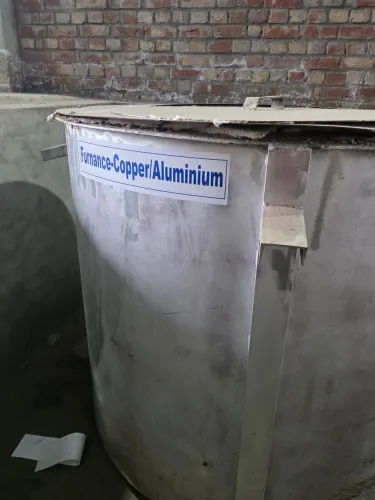
 | COPPER / ALUMINIUM MELTING FURNANCE COPPER / ALUMINIUM MELTING FURNANCE Copper/Aluminium Melting Furnace melts pure metal from e-waste recycling into ingots for resale Tilting crucible design (100-1000kg capacity) pours... View product → |
 | DENSITY SEPERATOR Density Separator uses water or air flow to split heavy metals (copper) from light plastics/fibers in crushed PCB powder Floating tank method - heavy... View product → |
 | MAGNETIC SEPARATOR Automatic Component Removing Machine – Your friendly e-waste hero that effortlessly peels off valuable electronic components from old PCBs, turning... View product → |
 | PCB E-Waste Recycling Plant The PCB E-Waste Recycling Plant is equipped with advanced machinery and technologies to disassemble, segregate, and process e-waste, particularly... View product → |
Keywords