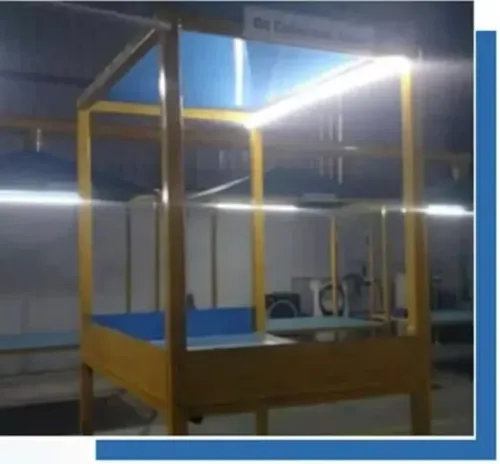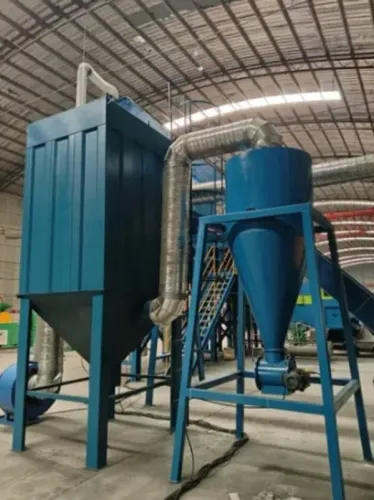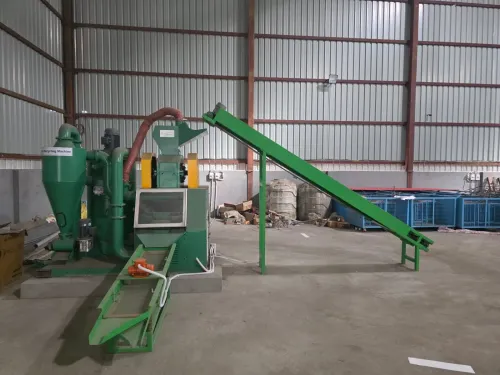
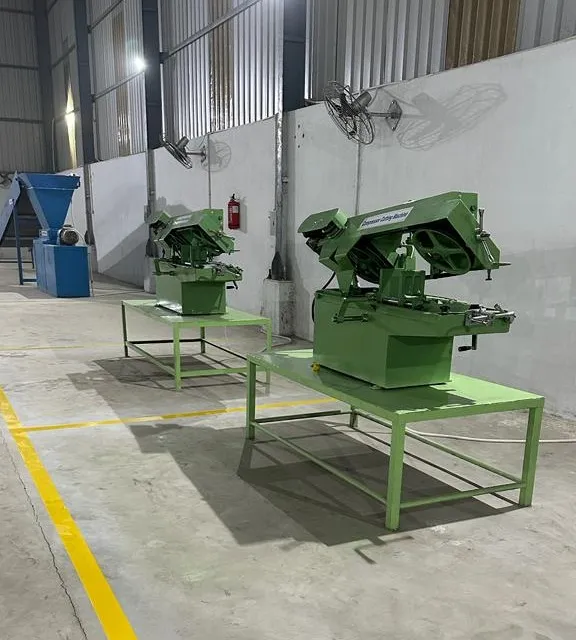
Discarded refrigerators and air-conditioning units contain compressors made from thick steel housings. Inside these housings are copper windings, steel parts, oil, and other components with different recovery values. A compressor cutting machine opens the sealed shell so these materials can be accessed and separated.
Using improvised cutting methods can produce uneven results, increase handling time, and expose workers to sharp edges, sparks, oil, or residual pressure. Purpose-built equipment creates a more controlled process when units have been made safe before cutting.
Why Compressor Preparation Matters
A compressor should never be treated as ordinary metal scrap immediately after removal. Depending on its source and condition, it may contain refrigerant residue, lubricating oil, electrical terminals, and internal pressure.
Before cutting, trained personnel should:
- Confirm that refrigerant has been recovered
- Drain oil using an approved procedure
- Inspect the shell for damage or pressure
- Remove incompatible external attachments
- Identify the compressor type and size
- Place it securely in the loading fixture
Refrigerants and oils must be collected and managed according to applicable environmental requirements. Cutting equipment does not replace proper decontamination.
How the Machine Supports Recovery
The compressor is positioned and clamped before the housing is cut. The opened shell allows operators to remove the motor assembly and segregate copper, ferrous metal, and other internal parts.
Compared with uncontrolled manual cutting, a suitable machine may provide:
- More consistent cutting locations
- Improved workpiece stability
- Reduced processing time
- Easier access to internal assemblies
- More predictable output handling
- Less dependence on improvised tools
Actual recovery depends on compressor construction. Copper quantity and internal design vary among refrigerator, air-conditioner, and commercial refrigeration compressors.
Cutting Machine and Drill Machine Differences
A compressor cutting machine opens the outer casing through a cutting operation. A compressor drill machine uses drilling to reach or release selected internal connections and may be preferred for particular compressor designs or recovery methods.
Businesses should evaluate their incoming scrap before choosing between the two. A facility receiving relatively uniform compressors may standardise its fixtures and process. A mixed-scrap business may need greater adjustment capability or complementary equipment.
Features Worth Evaluating
A practical machine assessment should consider:
- Supported compressor dimensions
- Clamping strength and adjustability
- Cutting mechanism and tool life
- Cycle time under realistic conditions
- Motor and power requirements
- Guarding around the cutting zone
- Collection arrangements for metal chips and oil residue
- Ease of tool replacement
- Emergency-stop location
- Frame stability and vibration
A fast cycle offers little benefit if loading is difficult or if the cut requires extensive manual correction. Buyers should observe a demonstration using compressors similar to those they actually process.
Managing Operational Risks
Metal cutting can create hot surfaces, noise, sparks, sharp edges, and flying fragments. Guards should remain closed or correctly positioned, and operators should use suitable eye, hand, hearing, and body protection.
The work area should also include spill-control materials and designated containers for residual oil. Cutting should be separated from refrigerant-recovery activities and combustible waste storage.
Ghaziabad-based recycling businesses often source appliances from across Uttar Pradesh and Delhi NCR. This can create a highly varied compressor stream, so adjustable holding arrangements and documented pre-inspection become especially important.
Privi manufactures recycling machinery for appliance and industrial-scrap processing. Selecting a compressor cutting machine should begin with a study of unit sizes, daily volume, decontamination procedures, labour availability, and the intended metal-separation process. When those elements are aligned, the machine can support safer handling and more consistent material recovery.
Keywords