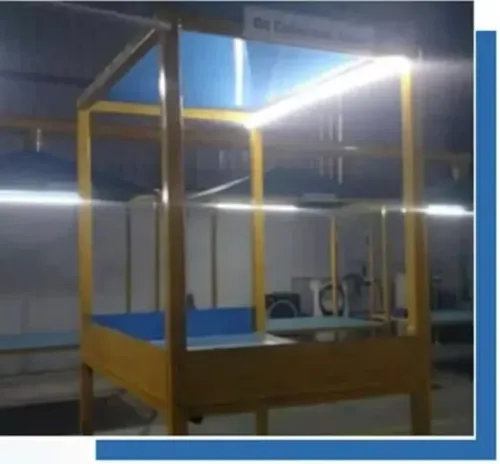
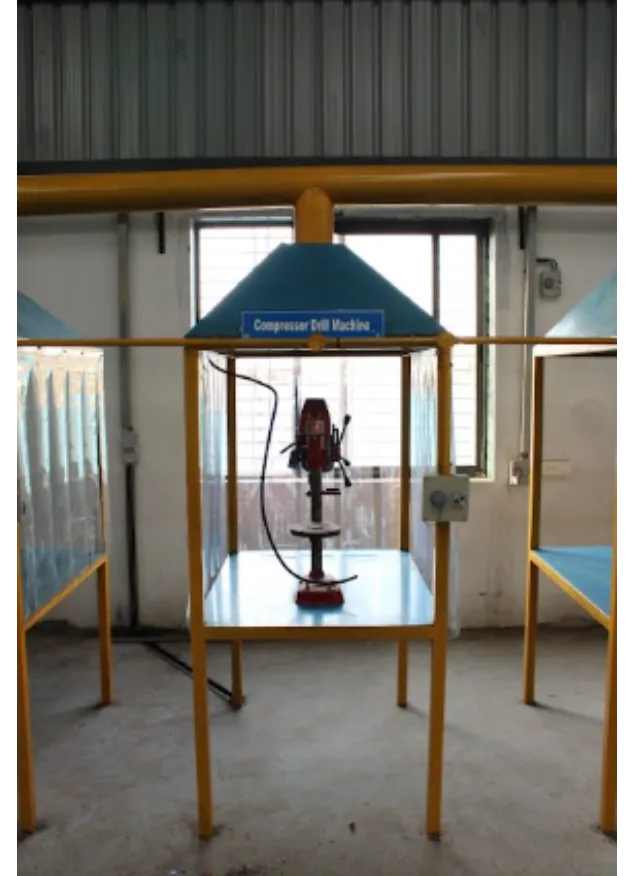
A compressor drill machine is designed to assist in opening or dismantling sealed refrigeration compressors through controlled drilling. It can help scrap-processing businesses gain access to internal motor assemblies without relying entirely on inconsistent hand tools. However, drilling method, workpiece holding, and pre-treatment procedures must match the compressors being processed.
For buyers evaluating this equipment, the most important question is not simply how quickly the drill operates. The more useful question is whether the complete system can handle the plant’s compressor mix safely, repeatedly, and with reasonable tool consumption.
Start with Incoming Material
Compressors differ by application, manufacturer, shell thickness, size, and internal construction. Domestic refrigerator compressors may require different settings or fixtures from air-conditioning and commercial refrigeration units.
Before requesting a quotation, record:
- Minimum and maximum compressor dimensions
- Average unit weight
- Shell thickness where known
- Daily and hourly processing targets
- Percentage of irregular or damaged units
- Method used for refrigerant and oil recovery
- Intended internal-material separation process
Representative samples can help a manufacturer assess fixture dimensions and drilling requirements more accurately.
Evaluate the Holding Arrangement
Stable clamping is essential. A compressor that moves during drilling may damage the tool, create an inaccurate opening, or expose the operator to avoidable risk. The fixture should support quick loading while preventing rotation and displacement.
Check whether adjustments are simple enough for routine production. A highly flexible fixture may still reduce productivity if every compressor requires lengthy manual setup.
Review the Drilling System
Drill speed, feed control, torque, and tool type influence both cycle time and tool life. Hard or variable shell material can increase wear, especially when the drill is misaligned or operated at unsuitable settings.
Useful questions include:
- Can feed pressure be adjusted?
- How is drilling depth controlled?
- Are tools readily replaceable?
- What is the expected tool life for the intended material?
- How are chips contained and removed?
- Can the drilling head accommodate multiple compressor sizes?
- What happens if the tool jams?
A guarded drilling zone and accessible emergency stop should be treated as fundamental requirements.
Compare Output with Total Labour
Machine cycle time is only one part of productivity. Receiving, inspection, refrigerant recovery, oil draining, loading, unloading, internal separation, and workplace cleaning all require time.
A realistic capacity calculation should therefore use the slowest connected stage. Buying an oversized drilling machine will not improve plant output if pre-treatment or manual separation remains the bottleneck.
Inspect Maintenance Access
Metal chips, oil residue, and repeated drilling loads can affect moving parts. Operators should be able to clean the work zone without dismantling major assemblies. Bearings, slides, drive components, and electrical enclosures must be protected from contamination as far as practical.
Maintenance planning should cover:
- Tool inspection and replacement
- Fixture and fastener checks
- Lubrication
- Drive alignment
- Electrical connection inspection
- Chip removal
- Guard and interlock testing
- Motor-current monitoring
Check Supplier Readiness
A dependable equipment provider should discuss feed characteristics, not merely supply a standard capacity figure. Buyers should request drawings, utility requirements, scope of supply, installation responsibilities, operator-training details, spare-parts recommendations, and warranty terms.
For recycling entrepreneurs in Ghaziabad and nearby Delhi NCR markets, local technical coordination can be valuable during installation and initial production. Privi manufactures industrial recycling machinery and can assess compressor-processing requirements around actual samples and plant objectives.
The right compressor drill machine should produce repeatable openings, control workpiece movement, and fit the broader dismantling workflow. Careful evaluation before purchase reduces the risk of low utilisation, rapid tool wear, and unexpected manual work after commissioning.
Keywords