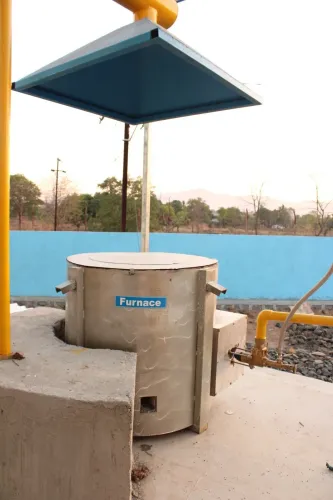
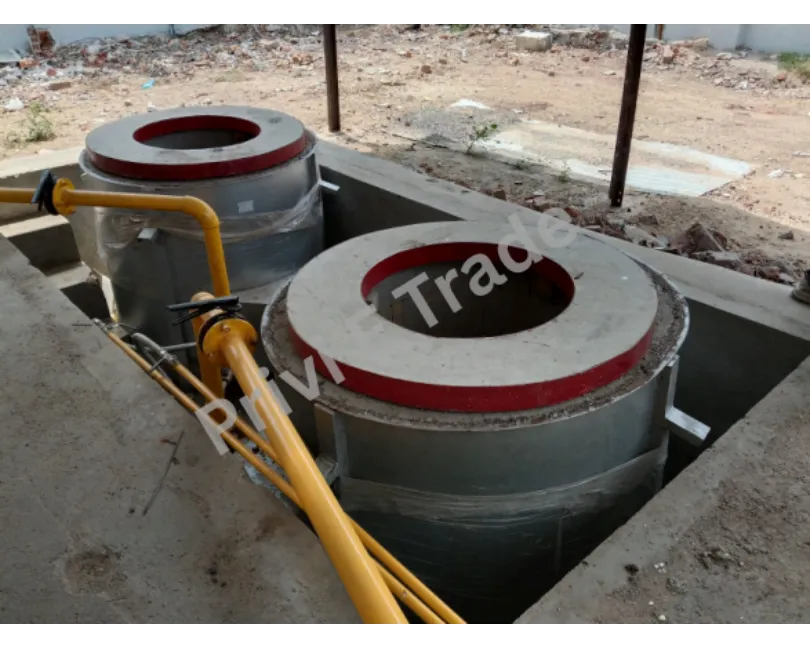
Recovering valuable metals is one of the most important objectives of an e-waste recycling plant. After copper and aluminium are separated from discarded electronic products, they often need to be melted, purified, and prepared for reuse in manufacturing. This process requires a reliable Copper Aluminium Melting Furnace that delivers consistent temperatures, energy efficiency, and safe operation.
Whether you are setting up a new recycling facility or upgrading an existing one, choosing the right melting furnace can improve metal recovery, reduce operational costs, and enhance product quality.
Why Is a Copper Aluminium Melting Furnace Important?
Copper and aluminium are among the most commonly recovered metals from electronic waste. These materials can be recycled repeatedly without significant loss of quality, making them highly valuable in the circular economy.
An industrial melting furnace helps:
- Convert recovered metal into reusable raw material
- Improve metal purity
- Reduce oxidation losses
- Increase production efficiency
- Support continuous industrial recycling
A properly selected furnace also contributes to lower fuel or electricity consumption over time.
How Does a Melting Furnace Work?
Industrial melting furnaces use controlled heat to transform solid metal into molten form for refining or casting.
The basic process involves:
- Loading sorted copper or aluminium scrap
- Heating the material to the required melting temperature
- Removing impurities or slag
- Maintaining uniform temperature throughout the melt
- Pouring molten metal into moulds or storage containers
Consistent temperature control is essential for producing high-quality recycled metal.
Factors to Consider Before Choosing a Furnace
Not every furnace is suitable for every recycling operation. Evaluating your production requirements helps ensure better long-term performance.
Processing Capacity
Estimate the quantity of metal that needs to be melted during each production cycle.
Consider:
- Daily recycling volume
- Batch size
- Production schedule
- Future capacity expansion
Oversized or undersized equipment can reduce operational efficiency.
Type of Heating System
Industrial furnaces are available with different heating methods, including electric, induction, gas-fired, and fuel-based systems.
The most suitable option depends on:
- Energy availability
- Production volume
- Operating costs
- Environmental requirements
Temperature Control
Accurate temperature regulation improves metal quality while minimizing unnecessary energy consumption.
Look for systems that provide:
- Uniform heating
- Stable temperature monitoring
- Automated control options
- Safety shutdown features
Energy Efficiency
Energy costs represent a significant portion of furnace operating expenses.
Modern furnace designs often include:
- Improved insulation
- Heat recovery features
- Efficient combustion systems
- Reduced heat loss
These features help lower operating costs while improving productivity.
Common Applications
Copper aluminium melting furnaces are widely used in:
- E-waste recycling plants
- Metal recycling industries
- Cable recycling facilities
- Scrap processing businesses
- Foundries
- Non-ferrous metal manufacturers
- Industrial recycling centres
Their versatility makes them an important part of modern recycling infrastructure.
Frequently Asked Questions
Can the same furnace melt both copper and aluminium?
Many industrial furnaces can process both metals, but separate operating procedures, temperature settings, and cleaning practices are often recommended to prevent contamination.
How important is furnace insulation?
High-quality insulation reduces heat loss, improves energy efficiency, and maintains stable operating temperatures, leading to lower production costs.
Does furnace size affect productivity?
Yes. Selecting a furnace that matches production requirements improves workflow while avoiding unnecessary energy consumption.
What maintenance is required?
Routine maintenance generally includes:
- Inspecting refractory linings
- Cleaning burners or heating elements
- Checking temperature sensors
- Examining electrical connections
- Removing accumulated slag
Preventive maintenance helps extend equipment life and reduce unexpected downtime.
Industry Insights
India's demand for recycled non-ferrous metals continues to increase due to growth in manufacturing, automotive production, electrical equipment, and infrastructure development. Efficient metal recovery from electronic waste is becoming an increasingly important source of raw materials.
Industrial regions such as Ghaziabad continue to play an important role in supplying engineering solutions for recycling businesses seeking advanced melting and processing equipment.
Best Practices for Efficient Metal Recovery
To maximize furnace performance:
- Sort metals before melting.
- Remove contaminants from scrap material.
- Maintain consistent furnace temperatures.
- Schedule regular preventive maintenance.
- Monitor energy consumption.
- Follow proper safety procedures during operation.
- Train operators on correct melting practices.
These practices help improve metal quality while extending equipment lifespan.
Key Takeaways
A copper aluminium melting furnace is a critical component of an efficient e-waste recycling plant. Choosing equipment based on processing capacity, heating technology, energy efficiency, and maintenance requirements supports better metal recovery and long-term operational performance.
Companies such as Privi, based in Ghaziabad, manufacture industrial recycling equipment that integrates with complete e-waste processing lines, including metal recovery systems. Evaluating furnace performance, engineering quality, and technical support before investing helps businesses build reliable recycling facilities capable of meeting the growing demand for sustainable resource recovery in India.
Keywords