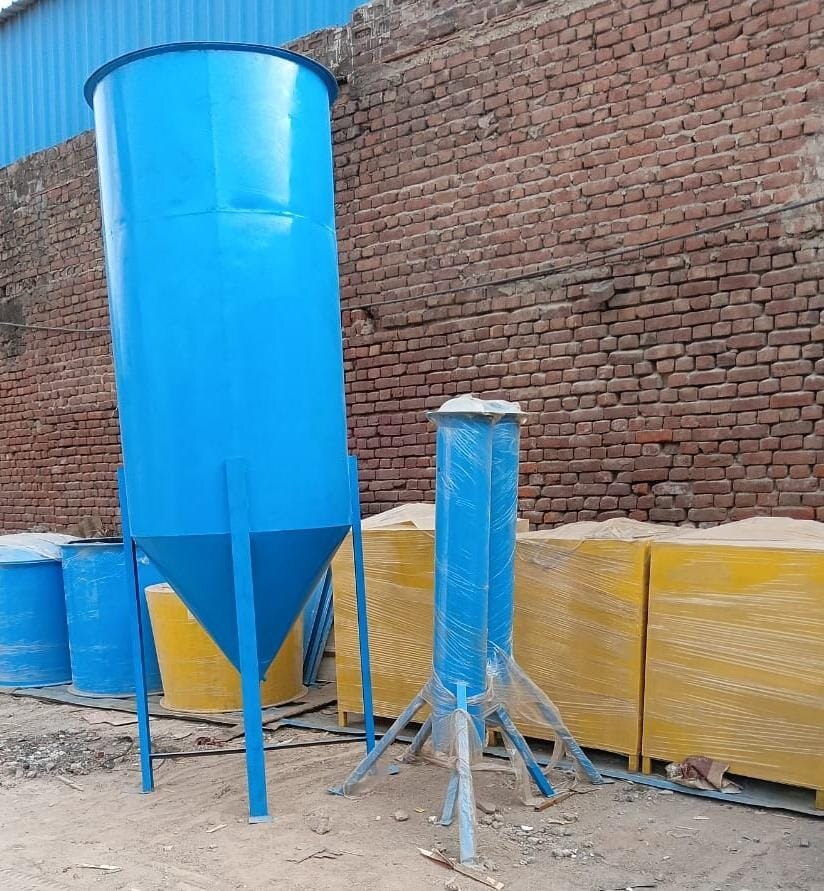
An ETP quote becomes comparable only after you define the wastewater, outlet target and every cost included in installation. By the end, you will be able to build a realistic budget, test supplier proposals near Ghaziabad and decide whether on-site treatment is better than pretreatment, common treatment or authorized disposal.
Key takeaways
- Request an itemised quote covering civil work, installation, sludge handling and commissioning.
- Size the ETP from daily flow, peak flow and pollutant load—not factory area.
- Test metals, suspended solids, pH and COD before choosing the treatment train.
- Reject suppliers that cannot show outlet limits, drawings, warranties and service scope.
What an ETP plant costs in Ghaziabad when every item is included
A low industrial ETP plant cost is not a usable budget unless it covers the complete installed system. The ETP plant price in Ghaziabad changes with flow, metals, batch operation, discharge limits, water reuse, civil work and sludge handling, so one headline figure cannot compare suppliers.
Ask for a line-item quotation covering:
- Equalisation and reaction tanks, clarifier, filter press and sludge-storage tank
- Chemical-dosing skids, pumps, filters and any membrane system
- Civil foundations, tank supports, drainage and access platforms
- Electrical panels, cabling, instruments, automation and control programming
- Interconnecting piping, valves, installation labour, freight and unloading
- Taxes, commissioning, operator training and documented performance testing
- Laboratory instruments, sampling points, spare parts and warranty support
- Every exclusion, including land preparation, utility connections and sludge disposal
Do not approve the lowest total until the supplier states guaranteed outlet values for pH, TSS, COD and each regulated metal. Request operating figures alongside the capital price: chemical consumption in kilograms per kilolitre, electricity in kilowatt-hours per kilolitre, sludge generation, membrane replacement assumptions, operator hours and annual maintenance.
For a small recycling site, recurring chemicals and sludge disposal can erase an equipment-price saving within months. Compare installed, commissioned and performance-tested totals—not equipment-only offers.
Size the plant from wastewater flow and pollution load, not factory area
Measure the wastewater sent to treatment, not the tonnes of e-waste processed or the factory’s floor area. A dry mechanical line with metal-bearing rinses needs a different ETP than a batch leaching operation. Use these records as the design basis for an ETP plant for recycling business operations.
Give each supplier the following data:
- Daily wastewater volume in kilolitres per day, split by acid or alkali leach liquor, rinses, scrubber blowdown and floor wash.
- Maximum hourly flow and the largest batch discharge, not only the daily average.
- pH, temperature and electrical conductivity for each stream.
- Total suspended solids, or TSS, in milligrams per litre.
- Biochemical oxygen demand, or BOD, and chemical oxygen demand, or COD.
- Oil and grease, plus dissolved metals such as lead, copper, nickel, chromium, zinc, iron, mercury and cadmium where those materials enter water.
- Batch variation, cleaning frequency, chemical additions and the proposed discharge or reuse target.
| Flow pattern | Data to provide | Design consequence |
|---|---|---|
| Steady continuous flow | Average and peak hourly flow | Sizes pumps, tanks and treatment units |
| Batch leaching | Batch volume, discharge time and interval | Requires equalisation for sudden loading |
| Mixed streams | Separate analysis before mixing | Prevents dilution from hiding metal or pH loads |
Send separate grab samples from each process stream and a composite sample representing a normal operating day. Ask for laboratory results, sludge quantity, chemical consumption and guaranteed outlet values; a price based only on area or nominal flow is not a comparable quotation.
Match each e-waste contaminant to the treatment train and outlet target
Do not send every drain to one tank. Segregate concentrated acidic rinses, oily wash water and metal-bearing streams before equalisation; incompatible chemicals can neutralise unpredictably, damage pumps or turn a recoverable waste into hazardous sludge.
| Contaminant | Treatment train | Outlet target |
|---|---|---|
| Acidic rinses | Segregation, equalisation, pH correction, then coagulation and clarification | Consent pH range, with no untreated acidic batch released |
| Suspended solids | Screening, coagulation-flocculation, settling and pressure-sand filtration | TSS below the consent limit at the final sampling point |
| Oils | Oil-water separator; use dissolved-air flotation for stable emulsions | Oil and grease below the consent or reuse limit |
| Dissolved metals | pH-based hydroxide or sulphide precipitation, clarification, filtration and sludge dewatering | Each listed metal below its individual consent limit |
| Chemical residues | Identify the chemical first; use carbon, oxidation or specialised treatment for compatible aqueous residues, and send solvents or concentrated hazardous waste to an authorised operator | Each named residue meets its discharge or reuse criterion |
A biological stage does not remove dissolved copper, lead, nickel or similar metals reliably. Add ion exchange, activated-carbon polishing or reverse osmosis when the consent limit is stringent or process-water reuse requires steadier quality.
An ETP plant for recycling business wastewater earns its extra cost when daily water demand is stable and the recovered water has a defined use, such as rinsing or cooling. Price the RO reject, membrane replacement, energy and brine management before approving reuse; otherwise, segregation and compliant discharge can be cheaper.
How to compare ETP suppliers near Ghaziabad and Delhi
Compare quotations only after giving every supplier the same flow, pollutant load, operating hours and treated-water target. An ETP plant supplier in Ghaziabad is not automatically the safer choice: a Delhi-area fabricator with proven metal-removal installations may outperform a nearby supplier offering only sewage-treatment references.
| Check | What to demand | Why it matters |
|---|---|---|
| Scope | Equalisation tank, dosing skids, filter press, sludge storage, panels, piping, foundations, freight, installation and taxes listed separately | A low headline price often excludes essential items |
| Performance | Guaranteed pH, TSS, COD, oil and grease, and each regulated metal at the outlet | “Pollution-board approved” does not guarantee your site’s result |
| Operating cost | Chemical dose per kilolitre, power load, sludge quantity and replacement-filter schedule | Two identical capacities can have very different running costs |
| Proof and support | Treated-effluent trial using your samples, commissioning procedure, spares list and breakdown response time | Generic water tests hide failures caused by e-waste chemistry |
Ask for references treating acidic rinses, dissolved copper, lead, nickel or other metals comparable to yours. Request the supplier’s mass balance for sludge and chemicals, not just a capacity figure.
Before you buy ETP plant near Delhi, match the proposed discharge or reuse limits to your Uttar Pradesh Pollution Control Board consent conditions. Your consent covers your process and discharge point; the supplier cannot transfer that responsibility.
Whether you approach Privi or another vendor, require drawings, exclusions, delivery milestones, operator training and a signed performance-test method. Compare the total installed cost only after those documents align.
Related products
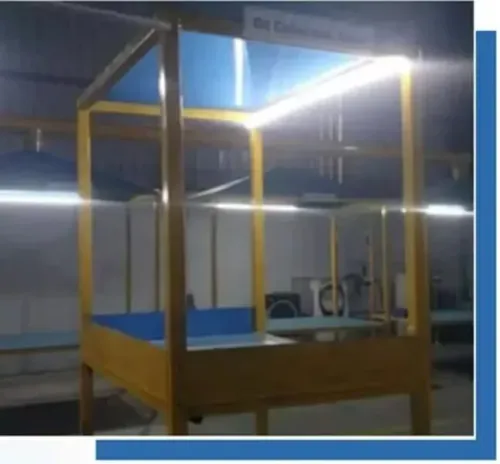
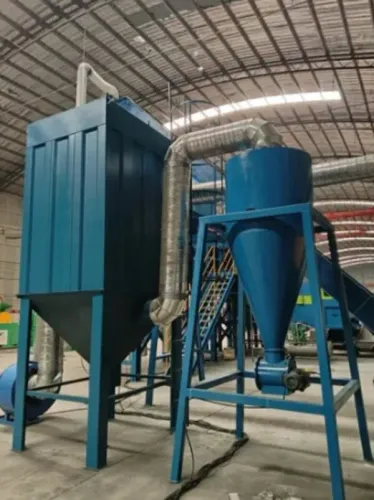
 | ETP PLANT ETP Purpose: Cleans dirty factory wastewater to make it safe for reuse or river release. View product → |
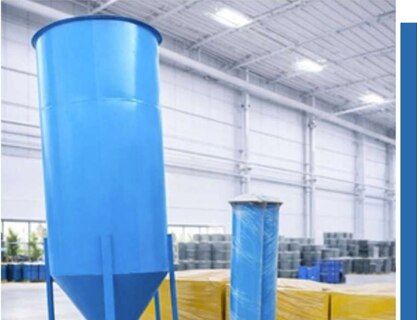 | ETP PLANT SET-UP USE FOR:- PURIFY INDUSTRIAL WASTEWATER BEFORE RELEASED INTO THE ENV. OR REUSED. CAPACITY:- IO TO 3000 KLD OR CUSTOMIZED. View product → |
When an ETP is the wrong investment for a recycling site
A complete on-site ETP is the wrong investment when your process produces little wastewater, no continuous discharge, or a waste stream that a licensed facility can handle more safely.
Base the decision on wastewater actually sent to treatment, not tonnes of dry e-waste processed: a dry mechanical line and a batch leaching operation have very different needs.
| Option | What it means | When it applies |
|---|---|---|
| Segregation | Keep clean and contaminated streams separate | Dry processing creates little or no process effluent |
| Pretreatment | Neutralize, settle, filter or remove oil before discharge | Small, intermittent acidic or solids-heavy streams need conditioning |
| Common effluent treatment plant | Send accepted effluent to a shared facility | The local CETP accepts your contaminants, volume and discharge schedule |
| Authorized waste-treatment operator | Transfer hazardous liquid, sludge or residues to a licensed operator | Treatment chemistry is complex, infrequent or unsafe to manage on site |
A low industrial etp plant cost can become expensive after adding equalization, sludge handling, civil work and testing. If you plan to buy ETP plant near Delhi, compare technical references, not distance alone; a remote supplier with metal-removal experience may carry less process risk than a nearby generic fabricator.
Confirm that your consent permits the proposed discharge or reuse route. Require a documented route for sludge classification, packaging, storage, manifests and final disposal; otherwise you can meet liquid limits while retaining an unmanaged hazardous-waste liability.
Frequently asked questions
What does a complete ETP plant price in Ghaziabad include?
Compare quotes only after checking whether they include tanks, pumps, chemical dosing, electrical panels, piping, civil work, installation, commissioning, sludge handling and operator training.
How should you size an ETP plant for an e-waste recycling business?
Use measured wastewater flow, peak discharge, batch timing and laboratory results for pollution load. Factory area does not indicate hydraulic or treatment capacity.
Which treatment stages does e-waste wastewater need?
The treatment train depends on the test results and outlet target. It can include equalisation, pH correction, coagulation and flocculation, clarification, filtration, activated carbon and specialist metal removal.
How do you compare an ETP plant supplier in Ghaziabad or Delhi?
Ask each supplier for a process flow diagram, design basis, guaranteed outlet values, equipment list, exclusions, commissioning plan, warranty terms, spare-parts support and references for comparable industrial wastewater.
When is an ETP the wrong investment for a recycling site?
An ETP is the wrong choice when the site produces no liquid effluent, can prevent contamination through dry processing, or lacks enough flow and pollutant data to justify a treatment system.
Keywords