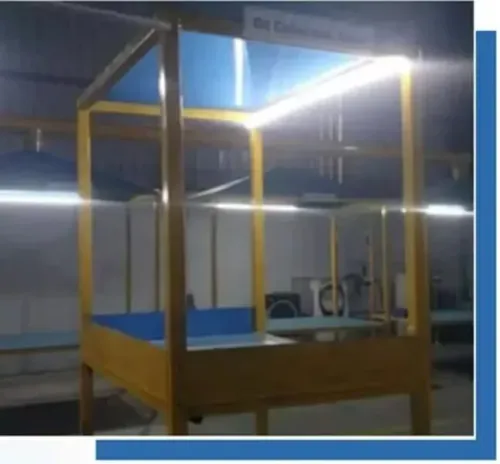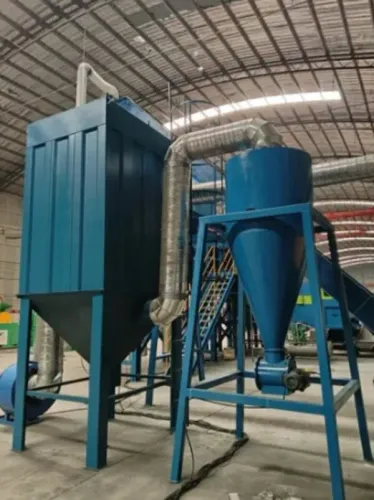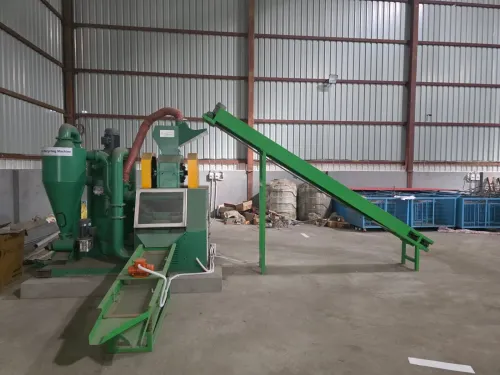
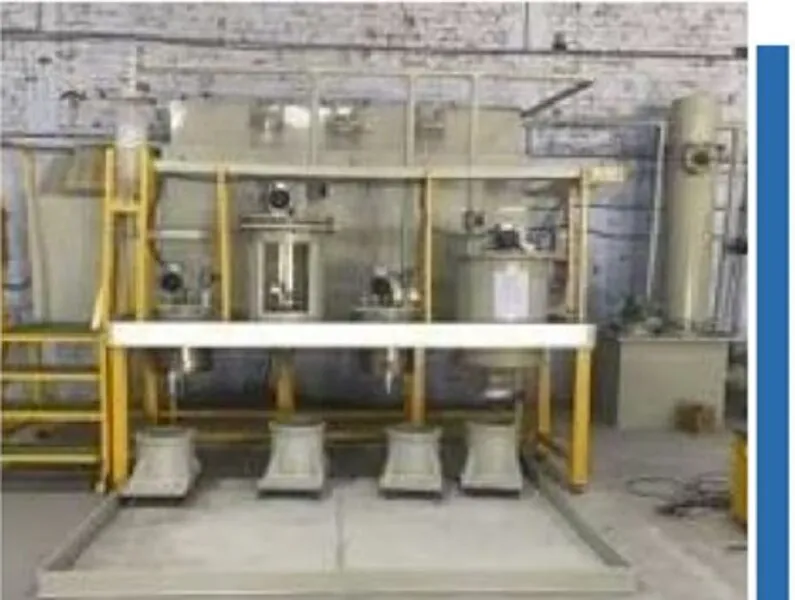
Gold, silver, palladium and platinum-group metals are not distributed evenly through electronic scrap, so recovery starts with feed identification rather than a shredder or leach tank. By following the material from receiving and sampling through concentration, refining and residue treatment, you can distinguish a genuine recovery process from equipment that only produces a metal-bearing fraction.
Key takeaways
- Gold is concentrated in plating, contacts, bond wires and selected IC packages.
- Mechanical separation creates a concentrated metal-bearing fraction before refining.
- Ask for recovery yields, input specifications, residue handling and assay records.
- Verify Indian licences, pollution-control approvals and traceability documents before signing.
Where precious metals occur and how scrap is prepared
Gold is concentrated in connector and edge-finger plating, contact surfaces, bond wires and selected IC packages—not uniformly through the fiberglass laminate. Silver occurs in relay contacts, switches, solder and some conductive pastes; palladium and other platinum-group metals occur in ceramic capacitors, plated contacts and particular component types.
| High-grade connector scrap | Concentrated plated contacts and edge fingers; easier to sample and upgrade | Feed separately to precious metal recovery from e-waste |
|---|---|---|
| Mixed low-grade PCBs | Copper, components, resin and fibres with uneven precious-metal content | Requires depopulation, controlled size reduction and composite sampling |
Whole mixed e-waste is a poor direct feed: it dilutes valuable material, introduces battery and fire hazards, contaminates fractions and makes assay results unreliable. An electronic scrap gold recovery system therefore begins with documented receiving, not shredding.
- Record supplier, load description and batch number; weigh the lot, photograph it and retain supplier records.
- Take representative composite samples, measure moisture, and apply dry-weight correction to assay results.
- Manually sort and depopulate the load before size reduction.
- Separate batteries, displays, mercury-containing switches, capacitors, cables, ferrous parts and high-grade connectors into identified streams.
This preparation prevents hazardous items from entering downstream equipment and stops coarse, high-value connectors from disappearing into a low-grade PCB average. Assay the separated streams independently; otherwise a small quantity of gold-rich contacts can distort—or be missed by—the result.
How mechanical concentration creates a metal-bearing fraction
A PCB precious metal separation process starts with depopulation: remove batteries, displays, capacitors and other hazards, then strip bulky components before size reduction. Controlled shredding opens housings without turning the feed immediately into dust; screening separates size ranges so each stream receives the right liberation treatment.
A precious metal recovery system process then uses sequential concentration steps:
- Screened particles pass through magnetic separation, which removes ferrous steel. Particle size controls the cut: oversized pieces remain partly liberated, while excessive fines can escape with dust.
- Air classification or density separation lifts light plastics, fibres and laminate fragments away from heavier copper-bearing particles.
- Conductivity-based separation can sort liberated non-ferrous particles, but copper-rich and precious-metal-bearing pieces must be physically free from resin and fibre first.
| Particle condition | Separation effect | Main risk |
|---|---|---|
| Coarse, partly liberated | Poor sorting and metal locked in laminate | Valuable metal remains in rejects |
| Controlled liberated size | Better screening, density and conductivity separation | Requires feed-specific settings |
| Excessively fine | Improved liberation and leaching kinetics | Higher power, dust, fines, baghouse dust or sludge losses |
These machines concentrate copper and precious-metal-bearing particles; they do not prove gold or silver recovery or separate gold from copper. Require the plant specification to state feed size, target liberation size, dust recovery, and the destination of every fraction before comparing equipment.
Chemical and thermal routes after concentration
Pretreatment determines selectivity. Remove plastics, ferrous pieces, batteries and excess copper from the concentrate, then screen and assay it on a dry-weight basis. Leaching follows; solid-liquid separation removes undissolved solids, and the clarified liquor enters purification before metal recovery.
| Route | Best fit | Main limitation |
|---|---|---|
| Acid leaching | Selected base-metal or plated fractions | Copper consumes reagent and loads the liquor |
| Aqua regia | Suitably prepared gold-bearing scrap | Corrosive liquor and nitrogen/chlorine fumes |
| Cyanide | Controlled gold dissolution | Strict cyanide management and detoxification |
| Thiosulfate | Alternative gold leaching | Requires tight control of pH, ammonia, oxidant and reagent loss |
Unsorted feed reduces selectivity. Copper and other base metals consume acid, oxidant or complexing agent, complicate precipitation, and can hide poor gold recovery. Gold, silver and platinum-group metals then require purification by precipitation, cementation, solvent extraction, ion exchange or electrowinning; the solution is not the saleable product.
This is the core of a controlled precious metal recovery from e waste operation and any electronic scrap gold recovery system.
Thermal processing removes resin and concentrates metals through controlled atmosphere or combustion. Monitor temperature, quench the off-gas, and scrub it because brominated flame retardants can produce corrosive or hazardous gases.
Corrosive acids, toxic fumes, cyanide-acid incompatibility, lead-bearing dust and fire risk set the safety boundary. Use enclosed, compatible reactors; ventilation; secondary containment; PPE; cyanide detoxification; and licensed hazardous-waste handling.
How recovered metal becomes a saleable product
A saleable product requires proof of metal content, purity and recovery—not merely a machine output. In a precious metal recovery system process, impurity control determines whether the result is a precipitate, metallic powder, doré or refined metal of declared purity.
1. Sample the feed, concentrate, final product and every residue using representative composite samples. Record moisture and convert results to dry weight. Use fire assay for suitable high-value gold-bearing solids; use ICP-OES or ICP-MS for multi-element solids and leach liquors.
2. Wash the recovered precipitate or powder until soluble salts and process chemicals are removed, then filter and dry it. During this stage, track acid liquor, wastewater, filter cake, dust and sludge as residues requiring treatment rather than counting them as recovered metal.
3. Melt clean, dry material into a bar or doré when its impurity profile permits. Send copper-, silver-, lead- or other impurity-rich material through further refining when the buyer requires a declared gold or silver purity. A gold-bearing solution is not finished gold.
4. In a PCB precious metal separation process, verify performance with duplicate assays, particle-size information and a full mass balance covering feed, products and residues. Handheld or laboratory XRF alone is weak for heterogeneous shredded scrap: coarse connectors and fine particles distribute value unevenly, so sampling error can exceed instrument error.
A recovery percentage without feed grade, sampling method, product assay and residue accounting is not a defensible precious-metal yield. Reconcile metal in the feed with concentrate, final product, wastewater, dust and sludge before claiming saleable recovery.
What to verify when choosing a recovery plant in India
A quoted kg/h capacity proves only how much feed enters the machine, not how much gold leaves it. Ask which product the precious metal recovery system process delivers.
| Output | What it means | What to verify |
|---|---|---|
| Concentrate | Enriched metal-bearing fraction | Feed grade, particle size and downstream refinery |
| Precipitate or powder | Chemically recovered intermediate | Purity, washing and residue treatment |
| Doré | Melted alloy requiring further refining | Gold, silver and base-metal assay |
| Refined metal | Declared-purity saleable product | Independent assay and refining records |
Require feed specifications, particle-size distribution, representative assay data, duplicate test results, mass-balance examples and details for treating filter cake, sludge, dust, spent liquor and wastewater. Privi can be relevant where you need customized machinery or a complete plant layout, but compare process scope and evidence rather than a listed throughput.
For a precious metal recycling plant in Ghaziabad or elsewhere in India, verify registration and records under the E-Waste (Management) Rules, 2022, CPCB portal filings, State Pollution Control Board consent, emission and effluent controls, and an authorized route for hazardous residues. An industrial location does not replace these approvals.
Use this checklist before signing:
- Characterize the feed and isolate high-grade fractions.
- Define concentrate, precipitate, doré or refined metal as the required product.
- Specify chemistry, enclosed equipment and off-gas controls.
- Require a documented mass balance covering feed, products and residues.
Related products
 | EDDY CURRENT SEPERATOR Eddy Current Separator uses fast-spinning magnets to fling non-metal pieces like aluminum, copper away from plastic/rubber in crushed PCB waste... View product → |
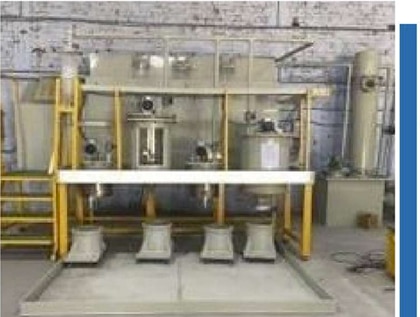 | PRECIOUS METAL RECOVERY SYSTEM PRECIOUS METAL RECOVERY SYSTEM MODEL:- PT-GCS 15L CAPACITY:- 15KC/H, 25KC/H, 50KC/H POWER:- 40KW PROCESS RANGE:- COPPER, SILVER, COLD, ETC. RECOVERY:- POWDER FORM View product → |
Frequently asked questions
Where are precious metals found in electronic scrap?
Gold occurs mainly in connector plating, edge fingers, contact surfaces, bond wires and selected IC packages. Silver occurs in relay contacts, switches, solder and conductive pastes. Palladium and other platinum-group metals occur in ceramic capacitors, plated contacts and specific components.
What happens before chemical or thermal recovery?
Scrap is identified, dismantled, size-reduced and separated into material streams. Mechanical steps such as screening, magnetic separation, eddy-current separation, air classification and density separation concentrate the metal-bearing fraction.
How does a PCB precious metal separation process produce saleable metal?
After concentration, the plant uses a suitable chemical or thermal route to dissolve, collect or separate target metals. Refining then produces a defined product such as bullion, precipitated metal, powder or a metal-bearing intermediate, supported by assay results.
What should you verify when choosing a precious metal recovery plant in India?
Check the plant's input limits, expected recovery yields, sampling and assay method, residue-disposal records, pollution-control approvals, licence documents, weighbridge records and chain of custody for your material.
Related products
 | PCB E-Waste Recycling Plant The PCB E-Waste Recycling Plant is equipped with advanced machinery and technologies to disassemble, segregate, and process e-waste, particularly... View product → |
 | DENSITY SEPERATOR Density Separator uses water or air flow to split heavy metals (copper) from light plastics/fibers in crushed PCB powder Floating tank method - heavy... View product → |
 | MAGNETIC SEPARATOR Automatic Component Removing Machine – Your friendly e-waste hero that effortlessly peels off valuable electronic components from old PCBs, turning... View product → |
 | COPPER / ALUMINIUM MELTING FURNANCE COPPER / ALUMINIUM MELTING FURNANCE Copper/Aluminium Melting Furnace melts pure metal from e-waste recycling into ingots for resale Tilting crucible design (100-1000kg capacity) pours... View product → |
Keywords