
A refrigerator shredder helps reduce appliance cabinets and internal structures into smaller pieces for subsequent material separation. When the line is correctly prepared, it can support recovery of ferrous metal, non-ferrous metal, plastic, and other fractions. Poor feed preparation or unsuitable operating settings, however, can increase contamination, wear, downtime, and safety risks.
Many performance problems attributed to the shredder actually begin before material enters the cutting chamber.
Problem 1: Refrigerants Have Not Been Recovered
Refrigerators may contain refrigerants in the cooling circuit and, in some older insulation systems, blowing agents that require controlled handling. Feeding untreated appliances into a shredder can release harmful substances and create environmental and workplace risks.
The solution is a documented depollution stage carried out by trained personnel using suitable recovery equipment. Compressors, oils, capacitors, mercury-containing switches where present, and other regulated items should be addressed according to applicable requirements.
Problem 2: Inconsistent Feed Size
Whole appliances vary in width, height, construction, and internal arrangement. Overloading the hopper or feeding multiple units beyond the designed capacity can cause bridging, high motor current, or rotor stoppage.
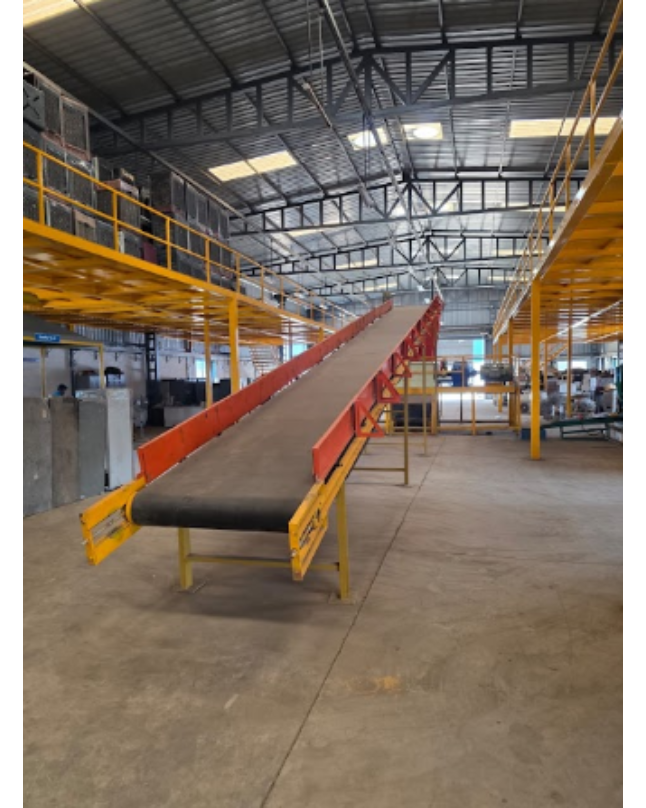
Controlled feeding through a conveyor or hydraulic pusher helps maintain an even load. Operators should follow defined limits instead of using the machine opening as the only measure of acceptability.
Problem 3: Excessive Wear
Refrigerators may contain steel sheets, plastic liners, foam, copper tubes, wiring, shelves, and occasional foreign objects. This mixed construction places demanding loads on cutters and wear surfaces.
Wear can be reduced through:
- Proper depollution and pre-removal
- Routine cutter inspection
- Correct clearances
- Timely rotation or replacement of cutting tools
- Controlled feeding
- Removal of incompatible objects
- Monitoring motor current and vibration
Delaying cutter maintenance may increase particle size, energy consumption, heat, and stress on drive components.
Problem 4: Poor Downstream Separation
Shredding only changes the size of the material. It does not automatically create market-ready fractions. If the output size varies widely or foam and fine dust are not controlled, magnetic and density separation may become inefficient.
The line should be planned around the required outputs. It may include screening, magnetic separation, air classification, density separation, cyclones, and dust filtration.
Problem 5: Inadequate Dust and Foam Control
Insulation foam can create a large volume of lightweight particles. Without enclosure and extraction, these particles may spread through the facility or accumulate around equipment.
Effective controls may include:
- Enclosed transfer points
- Appropriately positioned suction hoods
- Correctly sized ID fans
- Cyclones for primary particle collection
- Secondary filtration
- Sealed collection containers
- Regular housekeeping
Airflow must be balanced carefully so valuable lightweight material is not unintentionally lost.
Problem 6: Weak Safety Controls
A shredder contains high-torque moving parts that cannot be made safe through operator caution alone. Interlocked guards, emergency stops, overload protection, reversing controls, and lockout procedures are essential.
Personnel must never attempt to clear a blockage while energy sources remain connected. Maintenance should begin only after electrical, hydraulic, and stored mechanical energy has been isolated.
Refrigerator recyclers in Ghaziabad may receive appliances from households, commercial facilities, and collection partners throughout Uttar Pradesh. Incoming inspection and classification help manage this variability.
Privi manufactures refrigerator shredders and supporting recycling systems. Before equipment selection, the provider should understand appliance types, depollution practices, throughput, required output fractions, pollution-control expectations, and available space. The best results come from treating shredding, separation, extraction, and safe material handling as one coordinated process.


