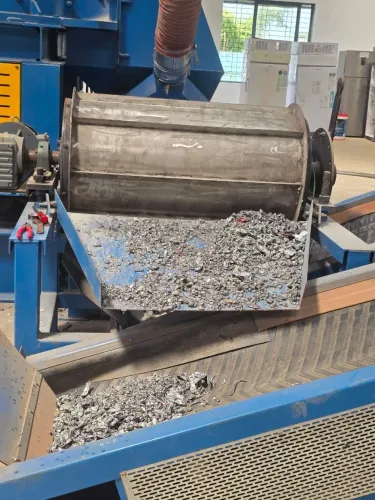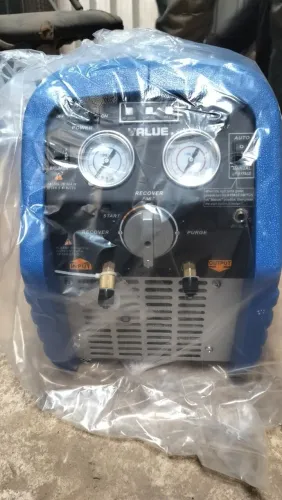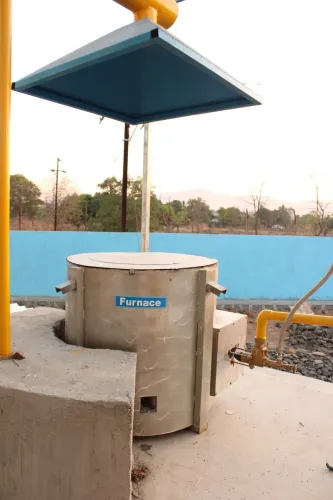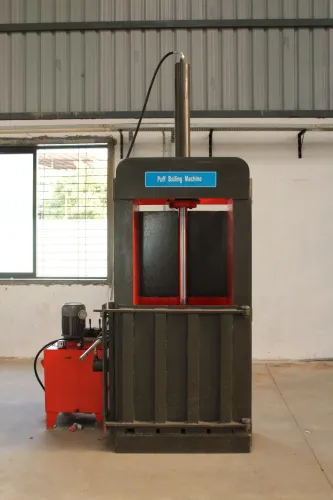
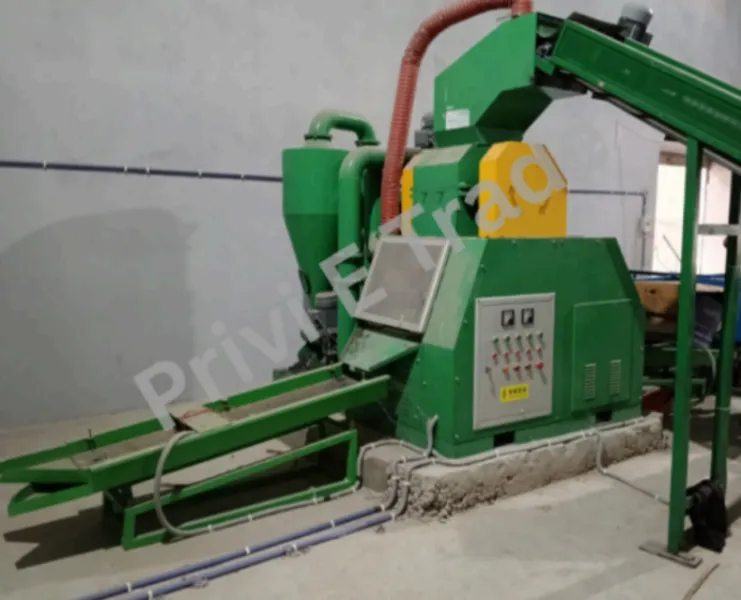
The demand for responsible electronic waste recycling is growing rapidly across India. Rising volumes of discarded electronics, stricter environmental regulations, and increasing awareness of resource recovery are encouraging businesses to establish formal recycling facilities. However, investing in E Waste Recycling Plant Machinery is a major decision that requires careful planning.
How do you know if your business is ready?
Whether you are an entrepreneur, an electronics recycler, a scrap processing company, or a waste management organization, recognizing the right time to invest can improve operational efficiency and reduce long-term business risks.
Why Timing Matters
Purchasing industrial recycling equipment before your business is operationally prepared can create unnecessary financial pressure. Waiting too long, however, may limit your ability to meet market demand or expand production.
A well-timed investment helps businesses:
- Increase processing capacity
- Improve material recovery
- Reduce manual operations
- Meet environmental compliance requirements
- Expand service offerings
- Strengthen long-term profitability
Understanding your readiness is the first step toward making a confident investment.
Sign 1: You Are Processing Larger Volumes of E-Waste
One of the clearest indicators is a steady increase in incoming electronic waste.
If your business regularly handles:
- Computers
- Mobile phones
- Printed circuit boards
- Consumer electronics
- Industrial electrical equipment
manual processing may no longer be efficient.
Industrial recycling machinery allows businesses to process higher volumes while maintaining consistent quality.
Sign 2: Manual Operations Are Limiting Productivity
Manual dismantling is practical for small-scale operations, but as processing volumes increase, it often creates bottlenecks.
Common signs include:
- Longer processing times
- Higher labour costs
- Inconsistent material recovery
- Worker fatigue
- Increased operational delays
Automated machinery improves throughput and creates a more organized workflow.
Sign 3: Customers Expect Professional Recycling Services
Government agencies, manufacturers, and corporate organizations increasingly prefer working with recycling companies that operate modern facilities.
Investing in professional recycling equipment demonstrates:
- Operational capability
- Process consistency
- Better environmental management
- Improved material traceability
- Greater confidence among industrial clients
Modern machinery can help businesses compete for larger projects.
Sign 4: You Want Higher Material Recovery
Recovering valuable metals efficiently has a direct impact on profitability.
Advanced recycling machinery improves the recovery of:
- Copper
- Aluminium
- Precious metals
- Ferrous metals
- Non-ferrous metals
Higher recovery efficiency means less waste and better utilization of recyclable resources.
Sign 5: Environmental Compliance Has Become a Priority
India's e-waste management framework places increasing emphasis on responsible recycling practices.
Modern recycling equipment often includes:
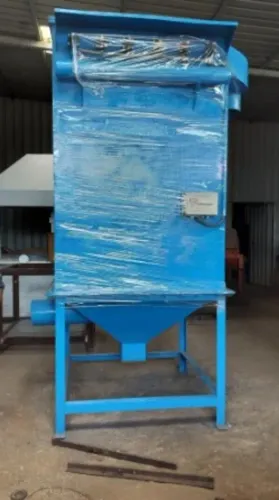
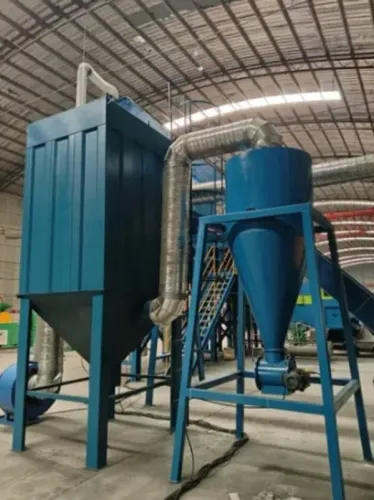
- Dust collection systems
- Controlled material separation
- Safer processing methods
- Reduced environmental emissions
These features help businesses operate more responsibly while meeting industry expectations.
Frequently Asked Questions
Is it better to start with individual machines or a complete recycling line?
The answer depends on production goals. Smaller businesses may begin with essential equipment, while companies planning commercial-scale operations often benefit from an integrated recycling line.
How important is future scalability?
Very important.
Selecting machinery that allows future expansion reduces the need for complete system replacement as production grows.
What should businesses evaluate before investing?
Consider:
- Daily processing capacity
- Available facility space
- Utility requirements
- Automation needs
- Budget
- Maintenance support
- Long-term production goals
A structured evaluation reduces investment risks.
Can modern machinery improve operating costs?
Yes. Although industrial equipment requires capital investment, automation often reduces labour costs, improves recovery efficiency, and minimizes production downtime over the long term.
Investment Readiness Checklist
Your business may be ready if you can answer 'Yes' to most of these questions:
- Is e-waste volume increasing consistently?
- Do manual processes limit productivity?
- Are customers requesting larger recycling capacity?
- Is your facility prepared for industrial equipment?
- Have you planned future business expansion?
- Is reliable technical support available?
If several of these conditions apply, it may be an appropriate time to evaluate industrial recycling machinery.
Industry Outlook
India is expected to remain one of the world's fastest-growing electronic waste generators over the coming years. This creates significant opportunities for businesses investing in organized recycling infrastructure.
Industrial regions such as Ghaziabad continue to support this growth through engineering expertise and manufacturing capabilities that help recycling companies establish efficient processing facilities.
Key Takeaways
Investing in e-waste recycling plant machinery should be driven by business readiness rather than market trends alone. Increasing processing volumes, operational bottlenecks, customer expectations, and long-term expansion plans are all strong indicators that it may be time to upgrade.
Companies such as Privi manufacture integrated recycling machinery designed to support businesses at different stages of growth. Evaluating operational requirements, production goals, and equipment scalability helps ensure that every investment contributes to sustainable and efficient recycling operations for years to come.
Keywords