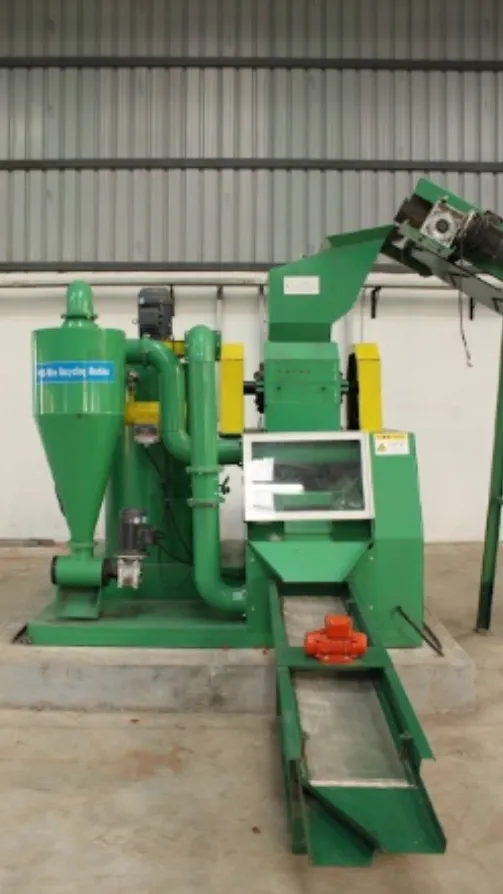
Selecting the right Waste Management Machine is one of the most important decisions when establishing or expanding an industrial recycling facility. The machinery you choose determines not only your processing capacity but also your operating costs, material recovery efficiency, energy consumption, and future scalability.
With a growing focus on sustainable waste management across India, businesses are investing in advanced recycling technologies that deliver consistent performance while meeting environmental standards. Before making an investment, it is important to understand which features genuinely matter and how to compare available options.
Why Choosing the Right Machine Is Important
Industrial recycling plants process large volumes of material every day. Poorly matched equipment can result in frequent downtime, higher maintenance expenses, inconsistent output quality, and lower recovery rates.
Well-designed waste management machinery helps businesses:
- Increase operational efficiency
- Reduce manual handling
- Improve material recovery
- Lower operating costs
- Enhance workplace safety
- Support environmental compliance
- Prepare for future production growth
Choosing equipment based on long-term operational requirements rather than initial purchase price often delivers better returns.
Factors to Consider Before Buying
Every recycling project has unique processing requirements. Evaluating the following factors helps identify machinery that aligns with business goals.
Type of Waste Being Processed
Different recycling applications require different equipment configurations.
For e-waste recycling, common materials include:
- Printed circuit boards
- Electronic components
- Electrical wiring
- Plastic casings
- Mixed ferrous and non-ferrous metals
- Aluminium and copper parts
Understanding the material mix helps determine the most suitable machinery.
Processing Capacity
Estimate the amount of waste the facility will process each day.
Consider:
- Daily throughput
- Peak production periods
- Seasonal demand
- Planned business expansion
Buying machinery with slightly higher capacity than current needs can reduce future upgrade costs.
Level of Automation
Automation requirements vary depending on workforce availability, production targets, and budget.
Typical options include:
- Manual systems
- Semi-automatic machines
- Fully automated recycling lines
Automated systems improve consistency and reduce repetitive manual work, while semi-automatic setups may offer greater flexibility for smaller facilities.
Questions to Ask Before Purchasing
Before finalizing a machine, discuss the following with the manufacturer:
- What materials can the equipment process?
- What is the expected recovery efficiency?
- How much energy does the machine consume?
- Are spare parts readily available?
- What maintenance schedule is recommended?
- Is operator training included?
- Can the equipment be upgraded later?
These questions provide a clearer understanding of long-term ownership costs.
Features That Add Long-Term Value
While specifications vary, high-quality waste management machines often include:
- Durable industrial-grade construction
- Energy-efficient operation
- User-friendly control systems
- Integrated safety mechanisms
- Easy maintenance access
- Modular expansion capability
- Compatibility with other recycling equipment
These features improve reliability and reduce operational interruptions.
Common Buying Mistakes
Businesses planning new recycling facilities sometimes overlook practical considerations during equipment selection.
Avoid these common mistakes:
- Selecting machinery based only on price
- Ignoring future capacity requirements
- Underestimating maintenance needs
- Choosing incompatible equipment
- Overlooking operator training
- Failing to evaluate after-sales support
A structured purchasing process helps minimize these risks.
Frequently Asked Questions
Should I purchase individual machines or an integrated recycling line?
For new industrial recycling facilities, an integrated system generally offers smoother workflow, better synchronization, and easier maintenance. Existing plants may benefit from adding individual machines as part of phased expansion.
How important is energy efficiency?
Energy consumption directly affects operating costs. Machines designed for efficient power usage can reduce long-term expenses while supporting sustainable operations.
Can one waste management machine process every type of material?
No. Different materials require different processing technologies. Most industrial recycling plants combine several specialized machines to achieve efficient separation and recovery.
What support should a manufacturer provide?
A reliable manufacturer should offer installation guidance, operator training, technical documentation, spare parts availability, and responsive after-sales support.
Industry Perspective
India's waste management and recycling sector is expanding rapidly due to increased industrialization, stricter environmental regulations, and rising awareness of resource recovery. Industrial cities such as Ghaziabad continue to attract investments in recycling infrastructure because of their strong manufacturing ecosystem and logistics connectivity.
Businesses investing in advanced waste management machinery today are better positioned to meet future recycling demands while improving operational efficiency.
Key Takeaways
Choosing the right waste management machine requires evaluating processing capacity, automation level, energy efficiency, maintenance requirements, and long-term scalability. Looking beyond the initial purchase price helps businesses make investments that support sustainable growth and reliable plant performance.
Manufacturers such as Privi develop industrial recycling machinery designed to meet the evolving requirements of modern recycling facilities. Comparing technical capabilities, engineering expertise, and lifecycle support enables businesses to select equipment that delivers consistent results while adapting to future operational needs.
Keywords