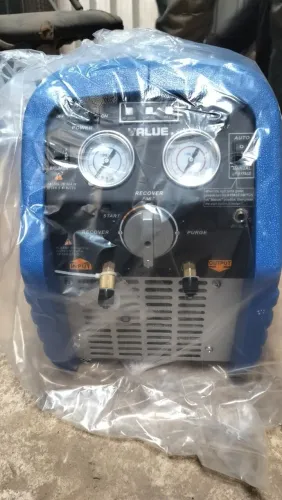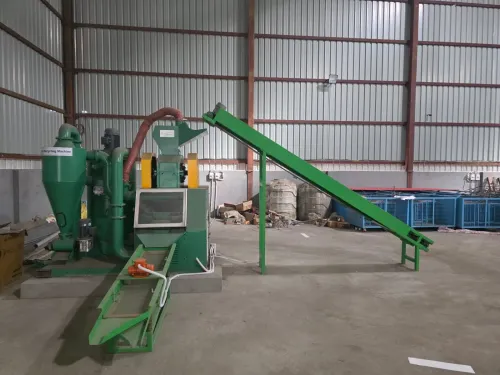
As electronic waste continues to grow across India, businesses are moving beyond standalone recycling equipment and investing in Complete E Waste Recycling Plant Machinery. An integrated recycling line combines multiple machines into a coordinated system that improves productivity, material recovery, workplace safety, and operational efficiency.
For entrepreneurs, electronics recyclers, waste management companies, and government-authorized facilities, choosing a complete recycling solution can provide significant advantages over purchasing individual machines at different stages.
What Is a Complete E-Waste Recycling Plant?
A complete e-waste recycling plant is a fully integrated processing system designed to handle electronic waste from initial receiving through material recovery.
Depending on production capacity, the plant may include:
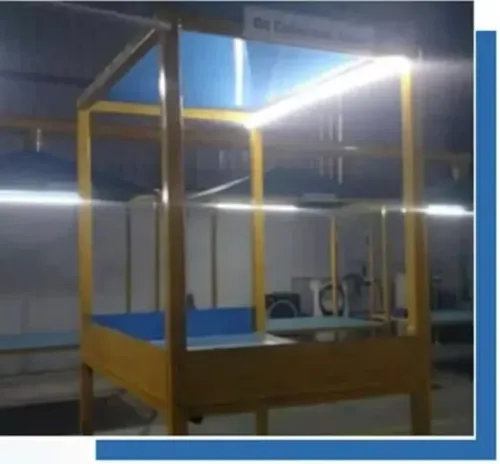
- Manual dismantling stations
- Component removing machines
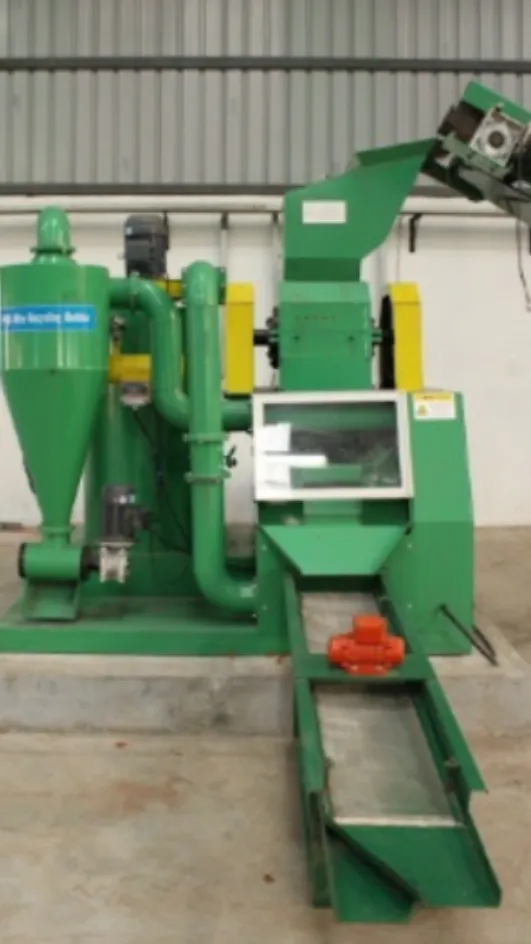
- PCB recycling machines
- Shredding and crushing equipment
- Magnetic separation systems
- Air and gravity separation units
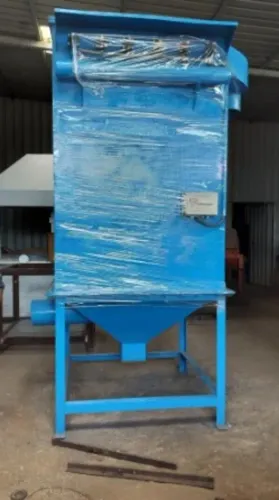
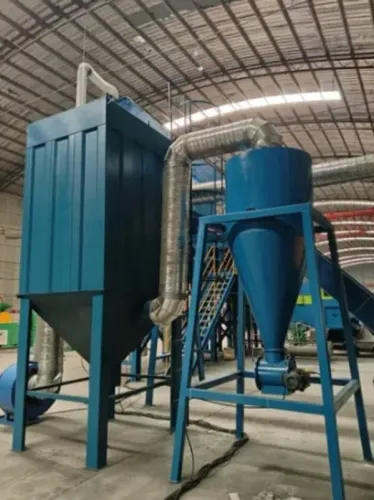
- Industrial dust collection systems
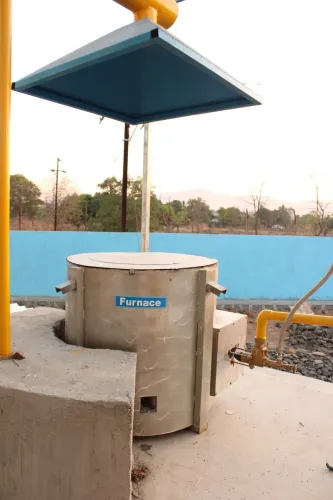
- Copper aluminium melting furnaces
- Material conveying systems
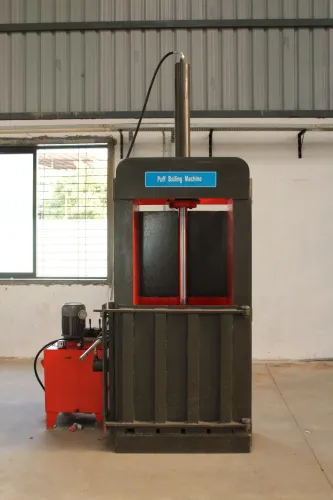
- Storage and handling equipment
These machines work together to create a continuous and efficient recycling process.
Why Businesses Choose Integrated Recycling Plants
Purchasing equipment as a complete system offers operational benefits that are difficult to achieve when machines are sourced from different suppliers.
Better Workflow Efficiency
Integrated machinery is designed to work as one production line.
This reduces:
- Material handling delays
- Equipment compatibility issues
- Production bottlenecks
- Manual transfers between processing stages
A smoother workflow helps increase daily processing capacity.
Improved Material Recovery
Each stage of the recycling process prepares materials for the next.
For example:
- Component removal protects downstream equipment.
- PCB recycling improves metal separation.
- Dust collection minimizes contamination.
- Metal melting systems prepare recovered materials for reuse.
When these stages are properly integrated, overall recovery efficiency improves.
Easier Maintenance
Maintaining a single integrated system is often simpler than managing unrelated equipment from multiple manufacturers.
Benefits include:
- Standardized spare parts
- Centralized technical support
- Consistent maintenance procedures
- Simplified operator training
These advantages help reduce downtime throughout the equipment lifecycle.
Frequently Asked Questions
Is a complete recycling plant suitable for every business?
Not always. Smaller operations may begin with essential machinery and expand over time. Businesses planning medium to large-scale commercial recycling often benefit most from integrated plant solutions.
Does buying a complete plant reduce future costs?
In many cases, yes. Integrated systems are designed for compatibility, reducing installation challenges, maintenance complexity, and future modification costs.
Can a recycling plant be expanded later?
Many manufacturers offer modular systems that allow additional processing equipment to be added as production volumes increase.
Planning for expansion during the initial installation can make future upgrades more efficient.
Should all machines come from one manufacturer?
While businesses may choose multiple suppliers, purchasing compatible machinery from a single manufacturer often improves system integration, technical support, and operational consistency.
What to Look for Before Investing
Before selecting a complete recycling plant, evaluate:
Engineering Capability
Choose manufacturers with experience designing integrated recycling systems rather than only individual machines.
Processing Capacity
Ensure the equipment matches current production requirements while allowing room for future growth.
Automation Level
Select the level of automation based on available workforce, production targets, and investment plans.
Technical Support
Confirm that installation assistance, operator training, preventive maintenance guidance, and spare parts support are available after commissioning.
Energy Efficiency
Modern equipment with optimized power consumption can reduce operating costs over the long term.
Industry Trends Supporting Integrated Recycling Plants
India's formal e-waste recycling sector continues to expand due to increased electronics consumption, Extended Producer Responsibility (EPR) implementation, and growing emphasis on circular economy practices.
Industrial centres such as Ghaziabad are playing an increasingly important role in manufacturing advanced recycling equipment that supports businesses across the country. As recycling technology evolves, integrated plant solutions are becoming the preferred choice for organizations seeking higher efficiency and long-term operational reliability.
Decision Checklist Before Purchasing
Before investing in a complete recycling plant, ask yourself:
- Does the machinery support current and future production goals?
- Is the equipment designed for efficient workflow?
- Can additional machines be integrated later?
- Is technical support available after installation?
- Are maintenance requirements clearly defined?
- Will the system help improve material recovery and workplace safety?
Answering these questions helps businesses make informed investment decisions.
Key Takeaways
A complete e-waste recycling plant offers advantages beyond simply combining multiple machines. Integrated workflows, improved recovery efficiency, simplified maintenance, and better scalability make it a practical investment for businesses planning long-term growth in the recycling industry.
Manufacturers such as Privi, based in Ghaziabad, provide integrated recycling machinery for organizations looking to establish efficient and sustainable e-waste processing facilities. Evaluating engineering expertise, equipment compatibility, lifecycle support, and future expansion capabilities ensures that the investment delivers value well beyond the initial installation, helping businesses build resilient recycling operations for the years ahead.
Keywords