Loose recyclable material takes up substantial floor and storage space. It is also difficult to stack, count, transport, and load safely. A baling machine compresses this loose material into dense, manageable bundles, helping recycling businesses improve handling without changing the material itself.
Baling machines are used for cardboard, plastic, aluminium cans, light metal scrap, textile waste, and selected processed e-waste fractions. The suitability of a machine depends on the material, expected throughput, bale size, and downstream logistics.
How a Baling Machine Works
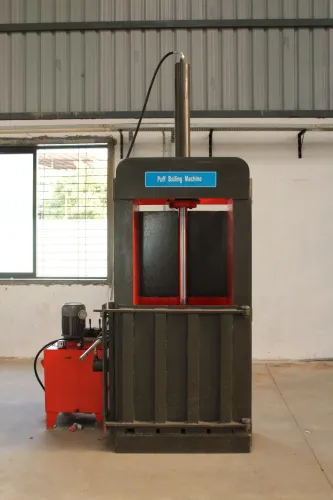
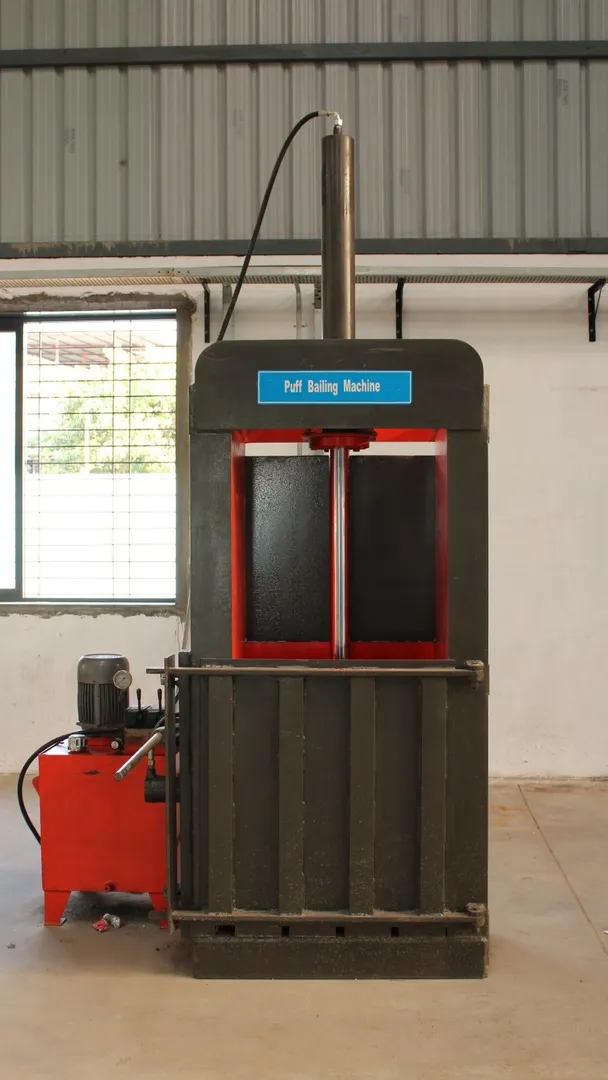
Material is placed inside a compression chamber manually or through a conveyor. A hydraulic ram then applies pressure, reducing the material’s volume. Once the required compression is achieved, the bale is secured with wire, straps, or another binding method and removed for storage or dispatch.
The process appears straightforward, but consistent bale formation requires suitable chamber dimensions, hydraulic pressure, feeding practices, and operator training.
Vertical and Horizontal Configurations
Vertical balers are compact and generally suitable for facilities processing moderate volumes. Material is loaded from the front, and the ram compresses it vertically. They are useful where floor space is limited or different materials are baled in smaller batches.
Horizontal balers are designed for higher throughput and easier integration with conveyors. They can support continuous feeding and may include automatic tying or bale-ejection features. These systems usually require more installation space and a larger investment but can reduce manual handling in busy plants.
Neither design is universally better. The correct choice depends on the daily material volume and operating model.
Benefits Beyond Space Saving
Compression offers several operational advantages:
- More organised storage areas
- Fewer loose materials around the facility
- Improved vehicle-load utilisation
- Easier material identification and inventory control
- Reduced manual handling during dispatch
- More consistent quantities for downstream buyers
- Better use of warehouse and processing space
Dense, uniform bales may also help businesses negotiate with buyers because the supplied material is easier to inspect, weigh, and transport.
What Buyers Should Evaluate
Begin with the type and condition of the material. Rigid plastic, flexible film, cardboard, and metal scrap require different compression forces and chamber designs. Wet, contaminated, oversized, or irregular material may also affect feeding and bale consistency.
Important specifications include:
- Maximum pressing force
- Chamber and feed-opening dimensions
- Bale size and approximate weight
- Cycle time
- Hydraulic power-pack capacity
- Motor rating and electrical requirements
- Manual or automatic tying
- Bale-ejection method
- Safety interlocks
- Structural frame construction
Buyers should use realistic output calculations. A machine’s theoretical cycle rate does not automatically equal plant throughput because loading, tying, segregation, and bale removal also take time.
Safe Operating Practices
Operators should never place hands or tools inside an active chamber. Doors, guards, limit switches, and emergency-stop controls must remain functional. Material that could explode, leak, ignite, or release hazardous substances should not be baled unless the system has been specifically designed for it.
Routine checks should cover hydraulic oil, hoses, seals, electrical connections, chamber wear, ram alignment, and door-locking mechanisms. Oil leakage or abnormal pressure should be investigated before operation continues.
Recycling businesses in Ghaziabad frequently serve customers across Delhi NCR and Uttar Pradesh, making transport efficiency an important commercial consideration. A properly selected baler can reduce the number of loosely loaded consignments and create a more orderly dispatch process.
Privi supplies recycling machinery for industrial applications, including equipment selected around material and capacity requirements. A useful purchase decision should be based on actual waste characteristics, available space, labour practices, and logistics not pressing force alone.
Keywords