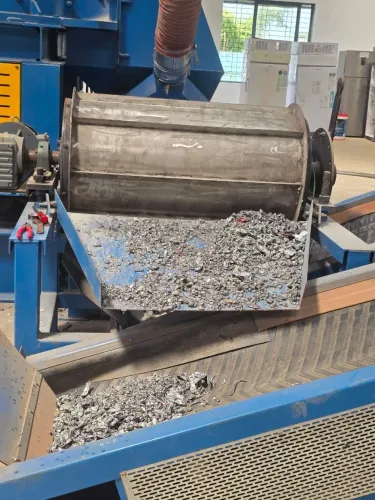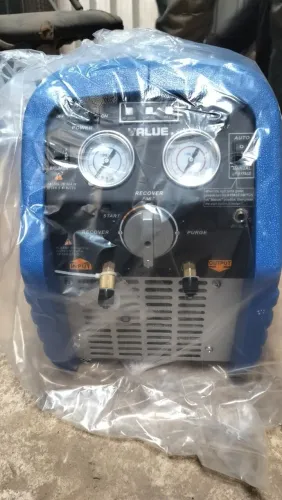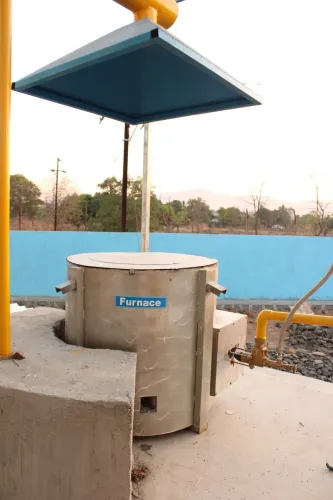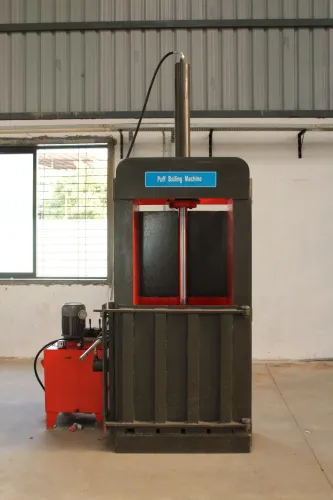
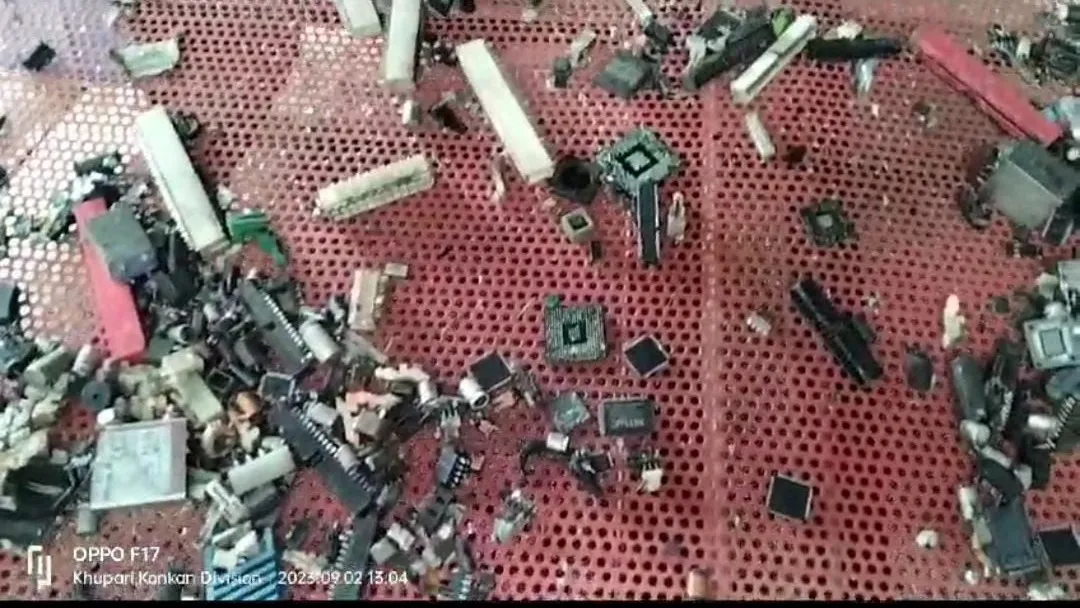
Printed circuit boards contain a mixture of mounted components, solder, fibreglass, resin, and metallic conductors. Processing complete boards without preliminary treatment can make separation more difficult and may reduce the quality of recovered fractions. A component removing machine detaches mounted parts from circuit boards before further size reduction or material recovery.
This machine is relevant to e-waste recyclers handling discarded computers, consumer electronics, telecommunications equipment, control panels, and other electronic assemblies.
Why Components Are Removed First
Circuit boards may contain capacitors, connectors, integrated circuits, transformers, sockets, heat sinks, and other components. These items differ substantially in shape, composition, and value. Removing them before shredding creates more uniform feed material and allows selected parts to be collected separately.
Pre-processing can support:
- Better segregation of component categories
- Cleaner board fractions for further processing
- Reduced load on downstream shredders
- Easier recovery of aluminium heat sinks and connectors
- Improved control over potentially sensitive components
- More consistent material feeding
The removed fraction still requires responsible sorting and treatment. Component removal is one stage in a larger recycling process, not a complete recovery solution.
The Operating Principle
Machine designs vary, but component removal generally combines controlled heating with mechanical agitation, scraping, brushing, or impact. Heating softens or melts the solder that holds components in place. Mechanical action then separates those components from the board substrate.
Temperature control is crucial. Insufficient heat may leave parts attached, while excessive temperature may damage materials, increase fumes, and create unnecessary energy consumption. The process should therefore include suitable temperature monitoring and fume extraction.
Integration with a Recycling Line
After components are removed, the remaining bare or partially stripped boards may pass through shredding, granulation, magnetic separation, air separation, or density separation. Removed components can be sorted separately according to the plant’s recovery plan.
A practical sequence may include:
- Receiving and classifying circuit boards
- Removing batteries and hazardous attachments
- Feeding suitable boards into the component remover
- Collecting detached components
- Inspecting the processed board fraction
- Sending materials to appropriate downstream equipment
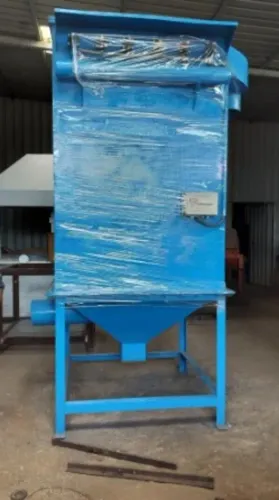
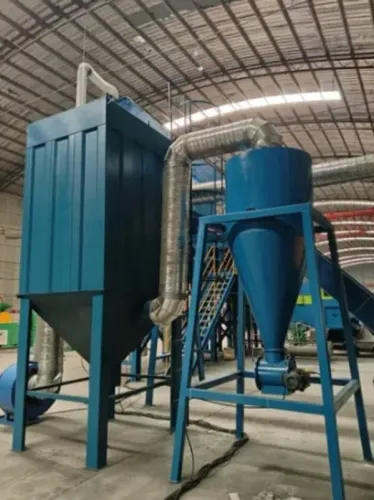
- Capturing fumes and dust through an extraction system
Feed preparation matters because boards with large frames, batteries, heavy steel parts, or incompatible attachments can interrupt operation.
What Plant Owners Should Monitor
Recovery rate is important, but it should not be evaluated alone. Operators should also observe energy consumption, processing time, board damage, fume generation, labour requirements, and contamination between output fractions.
Key purchasing considerations include:
- Compatible board dimensions
- Heating method and temperature range
- Processing capacity
- Separation mechanism
- Construction material in heated zones
- Fume-extraction provisions
- Discharge and collection arrangement
- Cleaning accessibility
- Control-panel features
- Availability of wear parts
Claims about capacity should be checked against the buyer’s actual mix of boards. Light consumer-electronics boards and densely populated industrial boards may not process at the same rate.
Environmental and Workplace Controls
Heating solder and electronic assemblies can release hazardous fumes. The machine should operate with effective local extraction, and captured contaminants must be handled through an appropriate filtration system. Operators require task-specific protective equipment and training.
E-waste processors in Ghaziabad operate within a major electronics and industrial market connected to Delhi NCR. For these businesses, better pre-processing can improve both material organisation and downstream machine utilisation.
Privi develops industrial recycling equipment for plant owners and waste-processing companies. A component removing machine should be configured as part of a responsible process that includes incoming inspection, hazardous-item removal, ventilation, sorting, and documented output handling. This integrated approach helps convert mixed circuit-board assemblies into more manageable recovery streams.
Keywords