
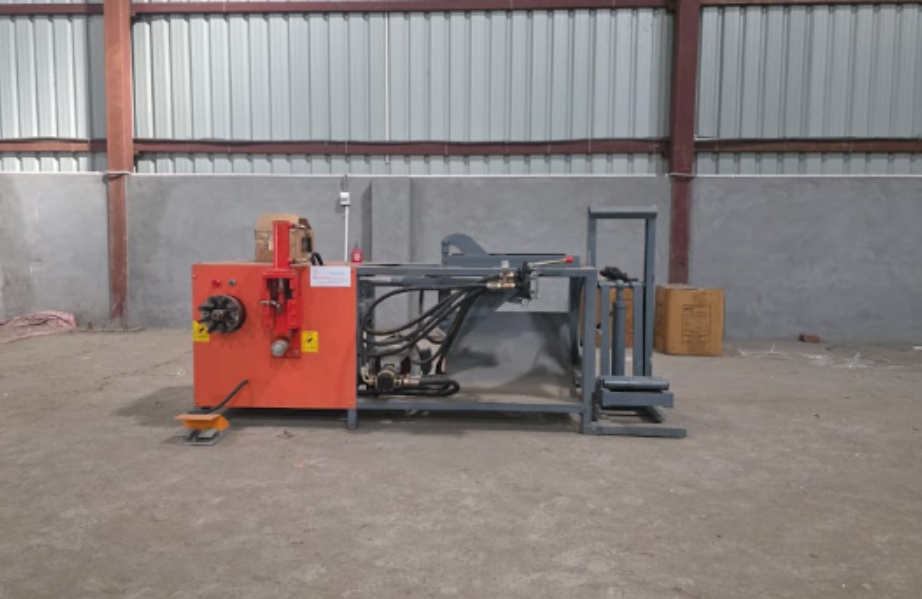
A plasma cutting machine uses an electrically generated plasma arc to cut conductive metals. Recycling businesses may use it to dismantle steel structures, prepare oversized scrap, open selected assemblies, or reduce metal components before further processing.
Fast cutting alone does not determine whether a machine is suitable. Material thickness, duty cycle, fume extraction, power quality, consumable cost, and operator safety all influence long-term value.
Confirm the Intended Applications
Begin by listing the metals and components processed regularly. Plasma cutting is commonly used for mild steel, stainless steel, aluminium, and other conductive materials. Maximum cutting thickness should be assessed separately from the thickness at which the machine delivers clean, productive cuts.
For recycling work, buyers should document:
- Normal and maximum material thickness
- Typical workpiece dimensions
- Manual or mechanised cutting requirements
- Expected cutting hours per shift
- Required edge quality
- Availability of compressed air
- Indoor or outdoor operating conditions
- Fume-control arrangements
A machine sized only for occasional maximum thickness may be inefficient for everyday work.
Understand Power and Duty Cycle
Amperage affects cutting capacity and speed. The duty cycle indicates how long the equipment can operate within a defined period before cooling is required. A light-duty unit may be appropriate for intermittent dismantling but unsuitable for continuous industrial preparation.
The facility’s electrical supply should be checked for voltage, phase, load capacity, earthing, and protection requirements. Unstable power may affect cut quality and damage sensitive components.
Consider Consumable Economics
Electrodes, nozzles, shields, and other torch parts wear during operation. Their life depends on current settings, air quality, piercing practices, torch height, and operator technique.
A lower purchase price can be offset by frequent consumable replacement. Buyers should compare availability, cost, expected service life, and the ease of obtaining compatible parts.
Clean, dry compressed air is also important. Moisture or oil in the air supply can reduce consumable life and create inconsistent cutting.
Plan for Fumes and Sparks
Plasma cutting produces metal fumes, ultraviolet radiation, noise, hot slag, and sparks. Indoor operation requires local exhaust ventilation appropriate to the material being cut. Coated or contaminated scrap may release additional hazardous substances and should be identified before processing.
The work area should have:
- Effective extraction
- Fire-resistant surroundings
- Controlled access
- Suitable screens
- Proper grounding
- Fire-extinguishing equipment
- Containers positioned away from sparks
- Task-specific personal protective equipment
Closed vessels and components that may contain flammable residues must never be cut without proper inspection and preparation.
Compare Manual and Mechanised Systems
Manual plasma equipment offers flexibility for irregular dismantling tasks. Mechanised cutting can provide repeatability when workpieces are relatively consistent and can be positioned securely. Some recycling plants benefit from both: manual tools for varied incoming scrap and fixed equipment for recurring production work.
For procurement teams in Ghaziabad’s manufacturing and recycling clusters, service support and consumable availability can matter as much as nominal cutting power. Delays in obtaining torch parts may stop an otherwise functional machine.
Privi supplies industrial recycling machinery and can consider plasma cutting within a broader material-preparation workflow. Buyers should request a demonstration on representative scrap, review utility and ventilation requirements, and calculate operating costs at realistic production levels. A suitable plasma cutting machine should improve dismantling speed while maintaining controllable consumable use and safe working conditions.