

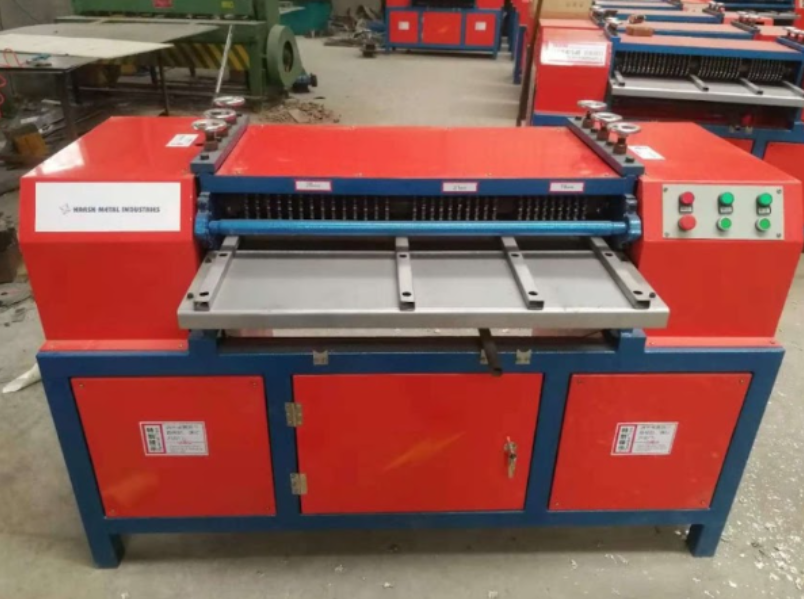
Automotive and industrial radiators contain recoverable aluminium, copper, brass, steel, and attached components. Their construction varies widely, so manually dismantling them can be slow and inconsistent. A radiator recycling machine helps separate valuable tube and fin material from frames or other structural sections.
Before purchasing, plant owners should determine exactly which radiator types they receive and what output form their buyers require.
Check Feed Compatibility
Not every radiator can be processed with the same mechanism. Aluminium radiators, copper-brass radiators, vehicle heater cores, air-conditioning coils, and industrial heat exchangers differ in thickness, joint construction, and material arrangement.
Prepare a feed profile covering:
- Radiator categories
- Minimum and maximum dimensions
- Number of tube rows
- Frame material
- Attached plastic tanks or steel brackets
- Contamination level
- Daily processing volume
- Percentage of damaged or compressed units
Sample testing is particularly important when the incoming scrap is highly mixed.
Define the Desired Outputs
Some businesses want separated copper tubes and aluminium fins, while others prioritise size reduction for subsequent mechanical separation. The correct machine depends on the commercial route for each fraction.
Output quality should be measured through contamination percentage, metal loss, manual re-sorting requirements, and saleability not appearance alone.
Review Core Machine Specifications
A procurement checklist should include:
- Supported radiator width and thickness
- Feeding arrangement
- Cutting or stripping mechanism
- Motor rating
- Processing speed
- Tool and blade material
- Adjustment for different tube spacing
- Discharge arrangement
- Safety guarding
- Emergency-stop controls
- Machine footprint
- Foundation requirements
Capacity should be confirmed under actual feed conditions. Clean, pre-trimmed radiators usually process faster than mixed units with tanks, frames, and brackets attached.
Calculate Labour Requirements
A machine may still require workers for receiving, classification, removal of plastic tanks, trimming of side plates, feeding, output collection, and final sorting. These tasks should be included in the cost calculation.
The most useful productivity measure is saleable recovered material per labour hour. This captures both machine performance and the manual work surrounding it.
Examine Wear and Maintenance
Radiator material can be thin, but attached steel parts may damage cutting tools. Incoming inspection helps prevent unsuitable items from entering the machine.
Ask the supplier about:
- Blade or cutter life
- Sharpening and replacement procedure
- Lubrication points
- Bearing maintenance
- Adjustment intervals
- Recommended spare parts
- Cleaning access
- Troubleshooting support
The plant should maintain an inspection record based on operating hours and processed volume.
Verify Supplier Capability
A qualified manufacturer should be willing to discuss sample material, output expectations, plant layout, utilities, and integration needs. Request technical drawings, a clear scope of supply, installation guidance, training information, warranty terms, and expected delivery milestones.
Businesses in Ghaziabad benefit from proximity to automotive, electrical, and industrial scrap markets across Uttar Pradesh and Delhi NCR. The same regional diversity can create variable feed, making adjustable equipment and sample trials especially important.
Privi manufactures radiator recycling machines and related industrial recycling equipment. Procurement should proceed when the supplier has reviewed representative radiators, the plant has defined output buyers, and the expected volume justifies mechanisation. These readiness indicators are more reliable than choosing a machine from headline capacity alone.