Launching an e-waste recycling facility involves much more than purchasing machinery. A successful recycling plant requires careful planning, efficient workflow design, regulatory compliance, and equipment that matches the expected processing capacity. Whether you are an entrepreneur entering the recycling industry or an established waste management company expanding operations, understanding the Plant Setup for E Waste Management Machines can help you avoid costly delays and improve long-term performance.
India's growing focus on sustainable waste management has created significant opportunities for professionally designed recycling plants. However, proper planning remains one of the most important factors for operational success.
Why Plant Planning Matters
A well-planned recycling facility improves productivity while reducing unnecessary material handling, energy consumption, and maintenance costs.
Benefits of proper plant planning include:
- Efficient material flow
- Higher recovery rates
- Improved worker safety
- Better equipment utilization
- Easier maintenance access
- Compliance with environmental standards
- Scalability for future expansion
Planning the layout before purchasing equipment often saves both time and investment.
Step 1: Define Your Processing Capacity
The first decision is determining how much electronic waste the plant will process daily.
Questions to consider include:
- What types of e-waste will be accepted?
- What is the expected daily or monthly volume?
- Will the plant serve a local region or multiple states?
- Is future capacity expansion anticipated?
The answers help determine the size and configuration of the recycling line.
Step 2: Plan the Workflow
An efficient plant follows a logical sequence that minimizes material movement.
A typical workflow includes:
- Receiving and weighing electronic waste
- Initial inspection and segregation
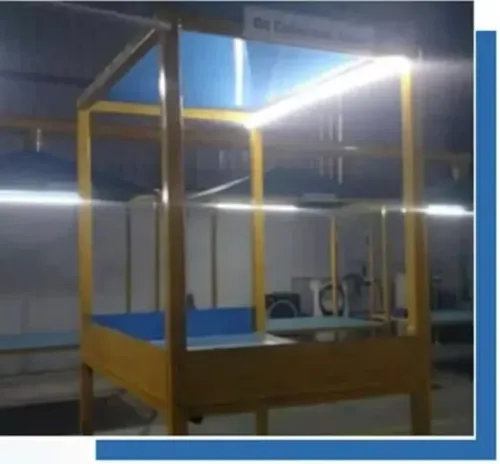
- Manual dismantling
- Component removal
- PCB recycling
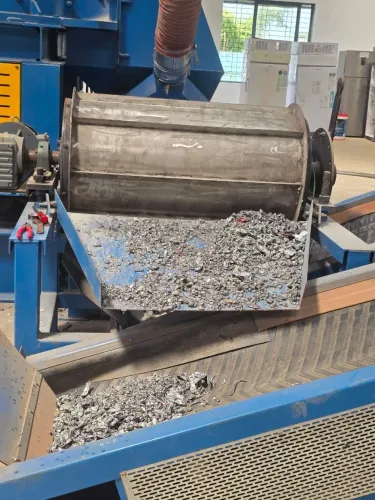
- Material shredding and separation
- Dust collection
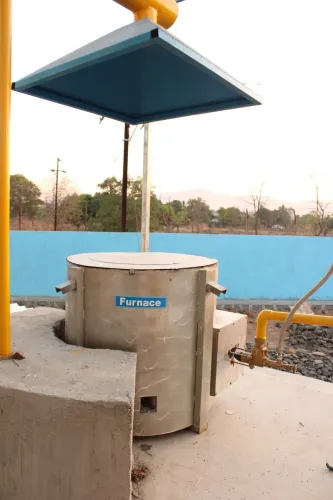
- Metal recovery and melting
- Storage of recovered materials
Keeping these stages connected reduces bottlenecks and improves productivity.
Step 3: Select the Right Machinery
The machinery should match both the processing requirements and available floor space.
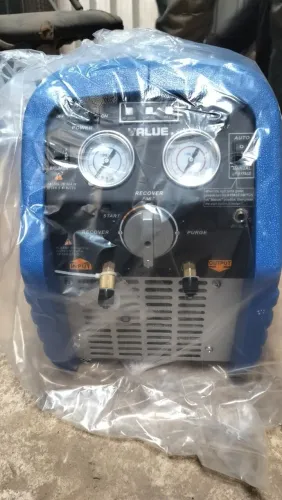
A complete recycling setup may include:
- Component Removing Machine
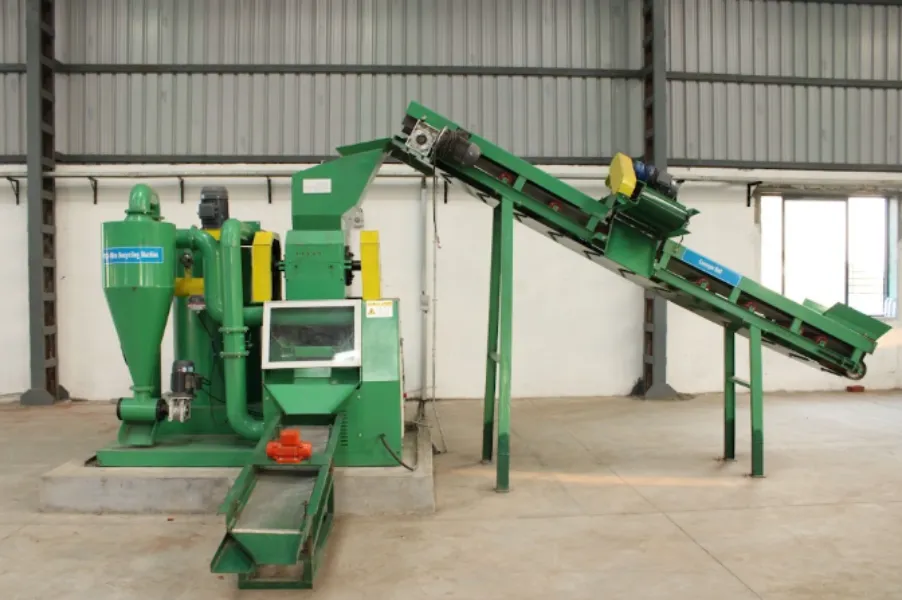
- PCB Recycling Machine
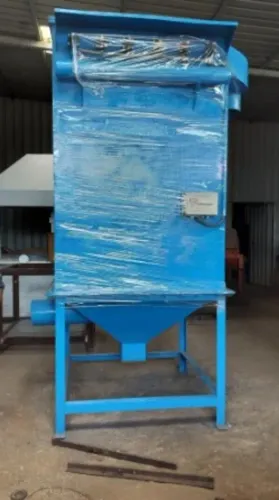
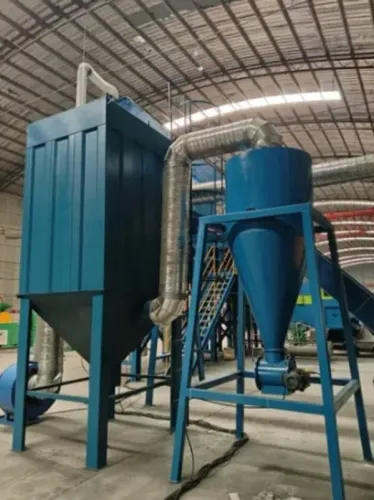
- Industrial Dust Collection System
- Magnetic separation equipment
- Air separation units
- Copper Aluminium Melting Furnace
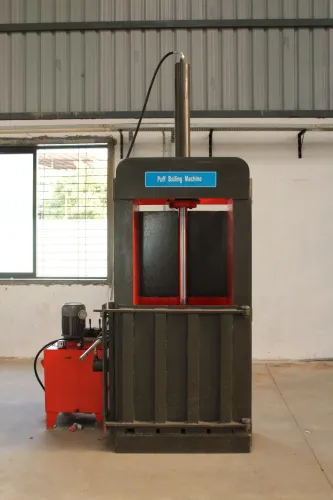
- Conveyors and material handling systems
Choosing compatible equipment from the outset helps create a smoother production process.
Step 4: Design for Safety
Worker safety should be integrated into the facility layout rather than added later.
Important considerations include:
- Proper ventilation
- Dust extraction systems
- Emergency exits
- Fire protection measures
- Clearly marked work zones
- Safe storage for hazardous materials
- Adequate lighting and ventilation
A safer workplace often results in higher productivity and reduced downtime.
Step 5: Plan Utilities and Infrastructure
Industrial recycling equipment requires reliable infrastructure to perform efficiently.
Before installation, verify:
- Electrical load capacity
- Compressed air requirements
- Water availability where required
- Foundation strength for heavy machinery
- Drainage systems
- Internal material movement pathways
Preparing utilities in advance prevents installation delays.
Step 6: Train Operators
Even advanced machinery requires skilled operators.
Training should cover:
- Machine operation
- Preventive maintenance
- Emergency procedures
- Material handling
- Quality control
- Workplace safety
- Routine inspections
Well-trained operators help maximize machine life and maintain consistent output quality.
Frequently Asked Questions
How much space is required for an e-waste recycling plant?
The required area depends on the plant's processing capacity, equipment configuration, storage requirements, and future expansion plans. Larger facilities generally require additional space for material handling and recovered metal storage.
Can the plant be expanded later?
Yes. Many modern recycling systems are modular, allowing businesses to add equipment as processing volumes increase. Planning for expansion during the initial design stage makes future upgrades more efficient.
Should all equipment come from one manufacturer?
While not mandatory, sourcing compatible machinery from a single manufacturer often simplifies installation, integration, operator training, and ongoing maintenance.
Is automation necessary for every recycling plant?
Not always. Smaller facilities may begin with semi-automatic systems, while larger commercial plants often benefit from greater automation to improve throughput and operational consistency.
Industry Insights
India generated over 3.2 million metric tonnes of electronic waste in 2024, according to the Global E-waste Monitor and industry estimates, with volumes continuing to rise due to increased electronics consumption. This growth is encouraging greater investment in organized recycling infrastructure and advanced processing technologies.
Industrial hubs like Ghaziabad are becoming important centres for manufacturing recycling equipment and supporting businesses that want to establish environmentally responsible e-waste processing facilities.
Key Takeaways
Setting up an e-waste recycling plant requires careful planning beyond equipment selection. Defining processing capacity, designing an efficient workflow, selecting compatible machinery, ensuring worker safety, preparing infrastructure, and training operators all contribute to a successful operation.
Manufacturers such as Privi provide integrated machinery solutions for businesses planning modern recycling facilities. Evaluating equipment compatibility, engineering support, and future scalability helps create an efficient plant that can adapt to India's growing e-waste recycling industry while maintaining high operational standards.
Keywords