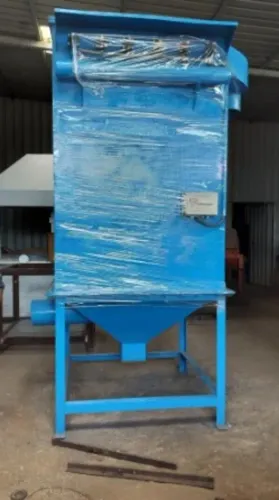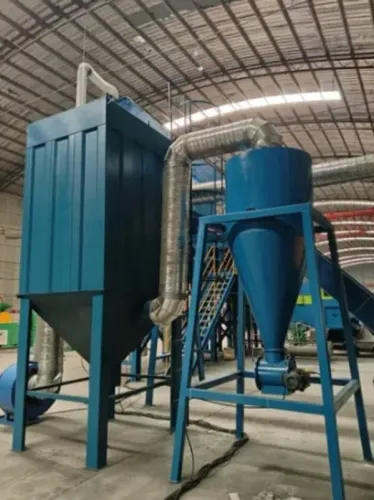
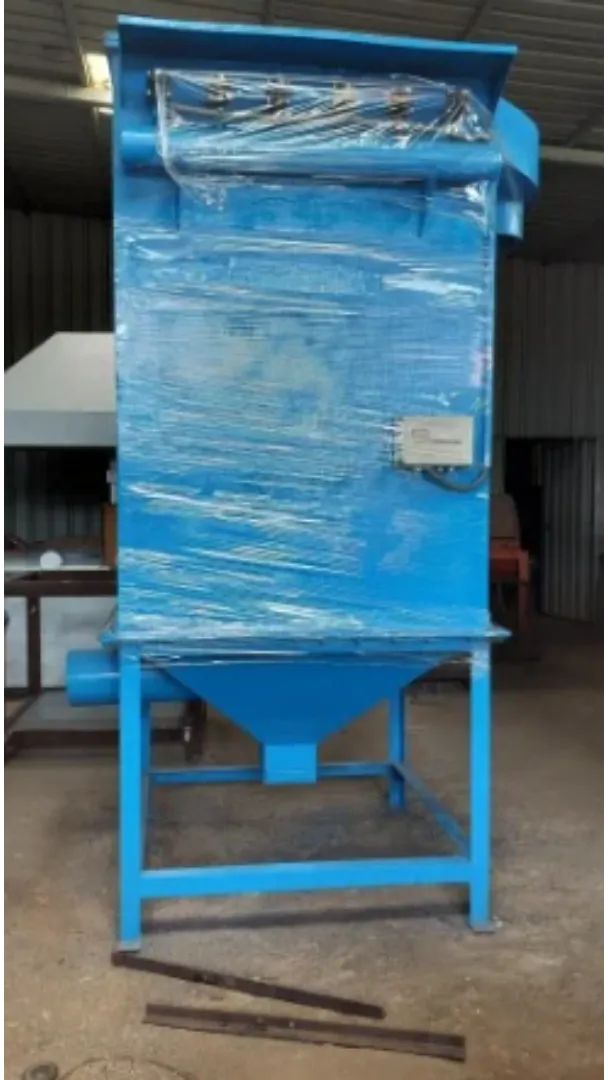
Dust is an unavoidable part of industrial recycling. During dismantling, shredding, crushing, screening, and material separation, fine particles are released into the air. Without proper dust control, these particles can affect employee health, reduce equipment efficiency, contaminate recovered materials, and create compliance challenges. Choosing the right Industrial Dust Collection Systems is therefore an important investment for any recycling facility.
Before comparing models or requesting quotations, businesses should ask the right questions. A well-informed buying decision helps improve operational performance while supporting a safer and cleaner working environment.
Why Dust Collection Should Be Part of Plant Planning
Many businesses treat dust collection as an additional accessory after purchasing recycling machinery. In reality, it should be integrated into the plant design from the beginning.
An effective dust collection system helps:
- Maintain cleaner air inside the facility
- Protect machinery from dust accumulation
- Improve the quality of recovered materials
- Reduce maintenance requirements
- Support workplace safety practices
- Improve overall plant efficiency
Integrating the system during plant planning also simplifies installation and future expansion.
Question 1: What Type of Dust Will the System Handle?
Not all industrial dust behaves the same way. Electronic waste recycling produces a combination of:
- Metal dust
- Plastic particles
- Fiberglass dust
- Powder from printed circuit boards
- Fine non-metallic residues
The filtration system should be designed to capture the specific particle sizes generated during your recycling process.
Question 2: What Airflow Capacity Is Required?
A dust collector should match the amount of dust produced by the facility.
Factors affecting airflow include:
- Number of processing machines
- Plant layout
- Production capacity
- Dust generation rate
- Duct length and design
Undersized systems may fail to collect enough dust, while oversized systems can increase unnecessary energy consumption.
Question 3: Can the System Expand in the Future?
Many recycling businesses increase production over time.
Ask whether the system can support:
- Additional recycling machines
- Higher airflow requirements
- New processing lines
- Future automation upgrades
Modular systems often provide greater flexibility for expanding facilities.
Question 4: How Easy Is Maintenance?
Routine maintenance directly affects system reliability.
Look for features such as:
- Easy-access filter compartments
- Automatic filter cleaning
- Simple dust disposal mechanisms
- Readily available replacement filters
- Clear maintenance schedules
A well-designed system minimizes production interruptions during servicing.
Question 5: What Safety Features Are Included?
Industrial dust collection systems should support a safe working environment.
Useful safety features may include:
- Pressure monitoring
- Temperature monitoring
- Automatic shutdown protection
- Spark management where applicable
- Secure dust collection bins
- Leak-resistant ducting
Safety should always be considered alongside performance.
Frequently Asked Questions
Is one dust collector enough for the entire recycling plant?
It depends on the size of the facility. Smaller plants may use a centralized system, while larger operations often install multiple collection units serving different production zones.
Does dust collection improve equipment life?
Yes. Removing airborne particles reduces dust accumulation inside machinery, helping minimize wear and maintenance requirements.
Can dust collection reduce operating costs?
Indirectly, yes. Cleaner equipment generally experiences fewer breakdowns, improved efficiency, and lower maintenance expenses over time.
How often should filters be replaced?
Filter life depends on production volume, dust characteristics, and operating hours. Regular inspections are recommended to maintain consistent airflow and filtration performance.
Buying Checklist
Before purchasing an industrial dust collection system, verify:
- Filtration efficiency
- Airflow capacity
- Energy consumption
- Maintenance requirements
- Expansion capability
- Spare parts availability
- Technical support
- Integration with existing recycling equipment
Using a checklist simplifies supplier comparisons and helps identify the most suitable solution.
Industry Perspective
As India's recycling sector continues to expand, environmental responsibility has become an important consideration for both private businesses and public-sector projects. Industrial hubs such as Ghaziabad are seeing increased demand for integrated recycling systems that combine processing equipment with effective dust management technologies.
Investing in dust collection during the early stages of plant development helps create a safer, more productive, and environmentally responsible recycling facility.
Key Takeaways
Industrial dust collection systems are essential for maintaining workplace safety, equipment performance, and operational efficiency in recycling plants. Asking the right technical and operational questions before purchasing helps businesses select equipment that meets both current production needs and future expansion plans.
Manufacturers such as Privi design recycling equipment that can be integrated with industrial dust collection systems for complete plant solutions. Evaluating filtration performance, maintenance requirements, and technical support before investing helps businesses establish efficient recycling facilities capable of supporting long-term growth.
Keywords