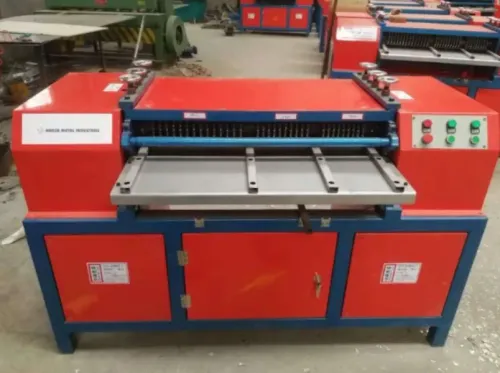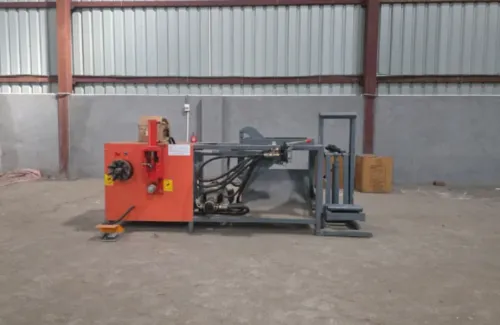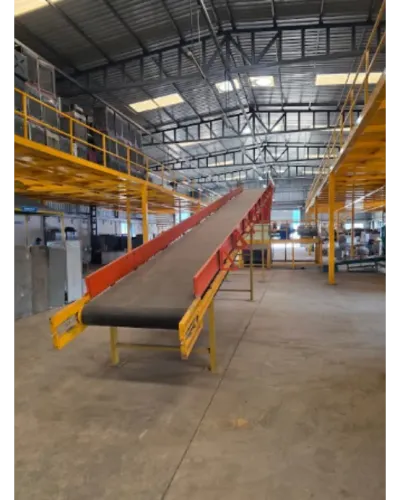


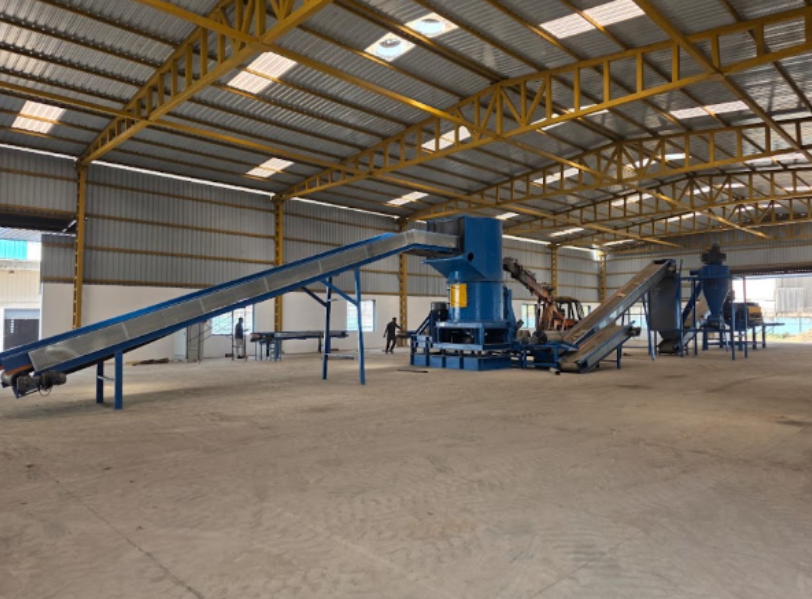
A vertical shredder uses high-speed impact, friction, and repeated material contact to break down and liberate mixed scrap. In e-waste processing, it may be positioned after primary size reduction to improve the separation of metals from plastic, resin, insulation, and composite material.
Because vertical shredders operate differently from low-speed primary shredders, they should be selected according to the desired liberation level and downstream separation process.
Identify the Machine’s Role
A primary shredder accepts larger items and performs initial size reduction. A vertical shredder generally receives smaller, prepared material and applies more intensive processing. It can help loosen bonded or attached fractions before screening, magnetic separation, air classification, or density separation.
Typical applications may include:
- Processed circuit-board fractions
- Small electronic assemblies
- Mixed non-ferrous scrap
- Wire and cable fractions
- Motor and appliance components
- Pre-shredded industrial scrap
Whole appliances, batteries, pressurised components, and unsuitable hazardous items should not enter the machine without an approved preparation process.
Match Capacity to the Entire Line
A high-capacity vertical shredder cannot deliver full value if upstream feeding or downstream separation is smaller. Plant designers should balance the capacities of conveyors, screens, magnets, separators, fans, cyclones, and dust collectors.
Material characteristics that affect throughput include:
- Feed size
- Bulk density
- Metal content
- Hardness
- Moisture
- Contamination
- Desired output size
- Recirculation rate
Buyers should obtain test results using representative material and evaluate both output liberation and energy consumption.
Inspect Wear Protection
Impact processing creates significant wear. Internal liners, hammers, anvils, rotor components, and discharge areas should use materials appropriate for the intended scrap. Wear parts must also be accessible for inspection and replacement.
Low-cost wear components provide little advantage if replacements are frequent or require excessive downtime. Procurement teams should request a wear-parts list, expected inspection intervals, replacement procedure, and recommended stock for the first year.
Assess Dust and Noise Controls
Intensive shredding can generate fine particles, heat, and noise. The machine may require an enclosed feed and discharge arrangement connected to dust extraction. Airflow should be designed around both pollutant capture and material recovery.
Noise-control measures can include isolation, enclosures, controlled access, and suitable hearing protection. The foundation should limit vibration transfer to surrounding structures.
Confirm Safety Provisions
A vertical shredder stores substantial rotational energy. Safety arrangements should include:
- Interlocked access covers
- Emergency stops
- Overload protection
- Motor-current monitoring
- Safe rotor-stopping procedures
- Lockout points
- Guarded drive components
- Controlled feeding
- Metal and fire detection where required
Operators must not open inspection areas until the rotor has completely stopped and all energy sources have been isolated.
Determine Whether the Plant Is Ready
A business is ready for a vertical shredder when it has a consistent feed source, defined pre-processing, identified output markets, adequate power, dust-control capacity, trained maintenance personnel, and suitable downstream separation.
Facilities in Ghaziabad also need to plan vehicle access, material-storage zones, electrical loads, and environmental controls within the available industrial site.
Privi manufactures vertical shredders and integrated recycling machinery. A useful supplier discussion should cover samples, required liberation, hourly volume, wear expectations, utilities, pollution control, and plant layout. When chosen as part of a balanced line, a vertical shredder can improve material liberation and make subsequent recovery stages more effective.